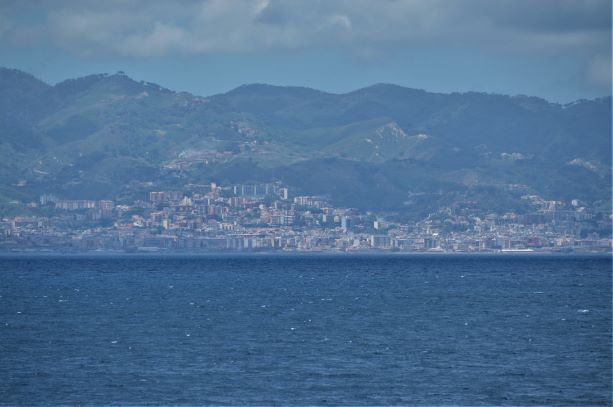
At the toe of Italy’s boot Reggio Calabria rises
from the sea towards the Aspromonte Mountains. Its undulating hills and steeply
inclined streets remind me of San Francisco. It is 1.9 miles across the Strait
of Messina from Sicily, and is the exact center of the Mediterranean Sea.
On December 28, 1908 a massive earthquake and
tsunami destroyed the city and devastated most of Calabria. It was rebuilt in
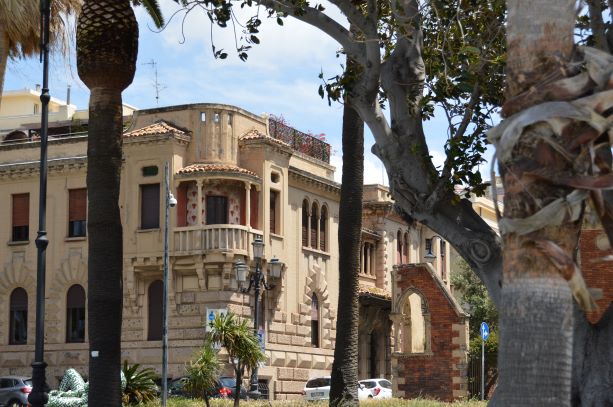
the eclectic Liberty style, Italian Art Nouveau. Reggio Calabria is the most
metropolitan city in Calabria.
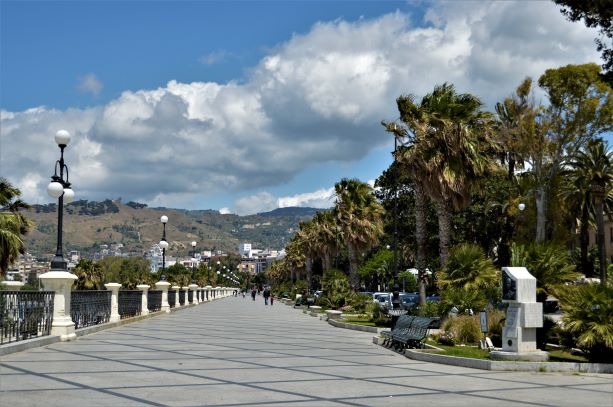
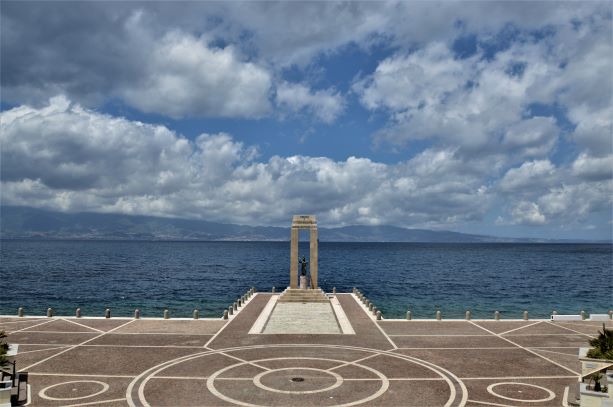
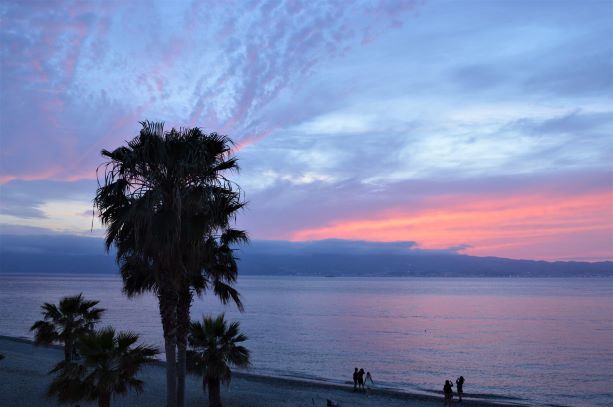
A palm tree lined lungomare wends its way along the
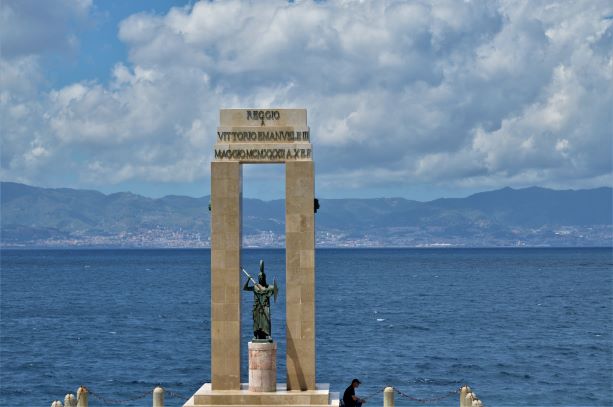
seafront, at the center of which is an amphitheater dedicated to Athena. It is
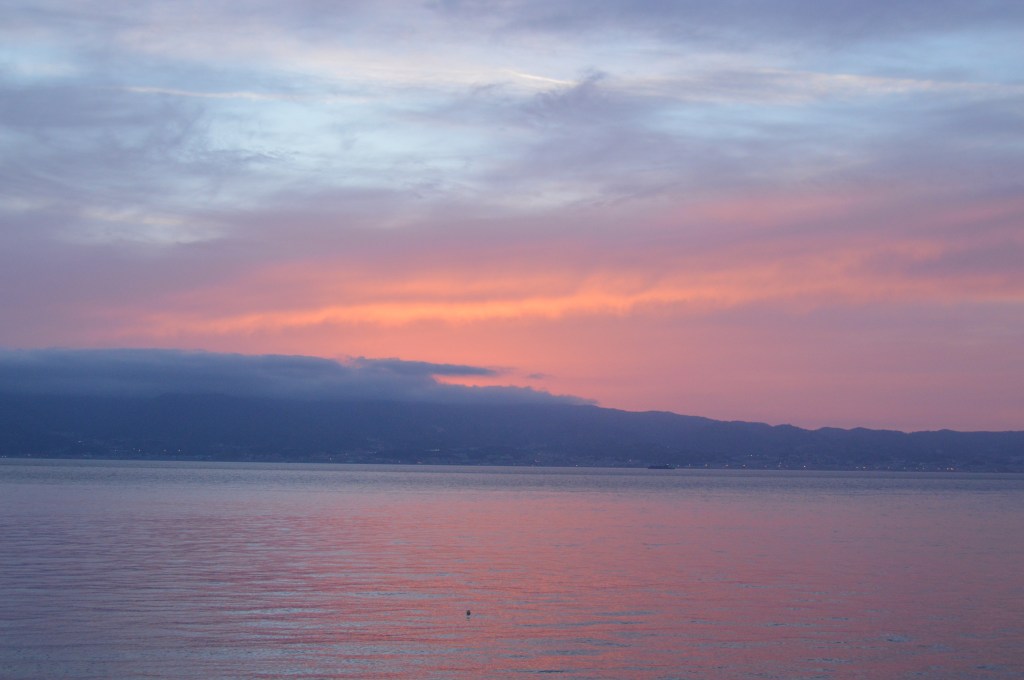
the perfect spot to sit and watch the sun set behind Sicily.
All over Calabria are reminders of their Greek
roots. Temples and icons of gods and goddesses are called by their Greek names,
but in Reggio Calabria one senses their ties to ancient Rome as well. The
greeting here is “Salve.”
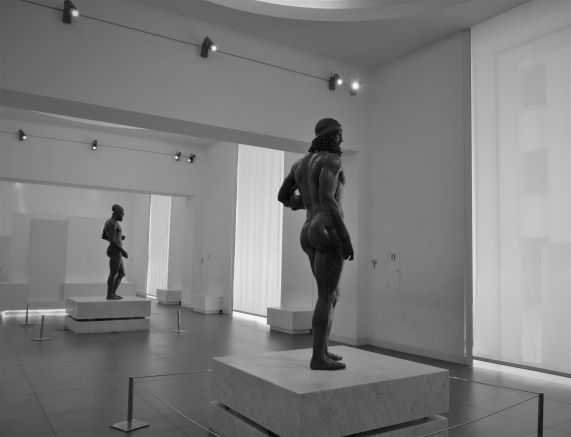
My stay in Reggio Calabria was to see the Riace Bronzes at the National Archeological Museum of Magna Graecia. There will be more on the cultural treasures of Calabria in another blog.
I am struck by the beauty of Calabria. The gently
rolling hills are illusory; they are higher than they appear and lead to
villages on steep ridges. The hillsides are covered with olive groves, fruit
and nut trees, and of course, vineyards. Between vineyards cows and sheep that
provide milk for the delicious cheeses of the area can be seen in little clots
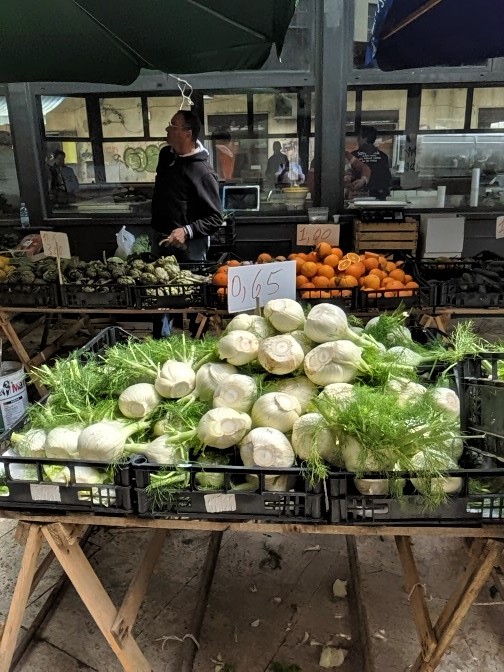
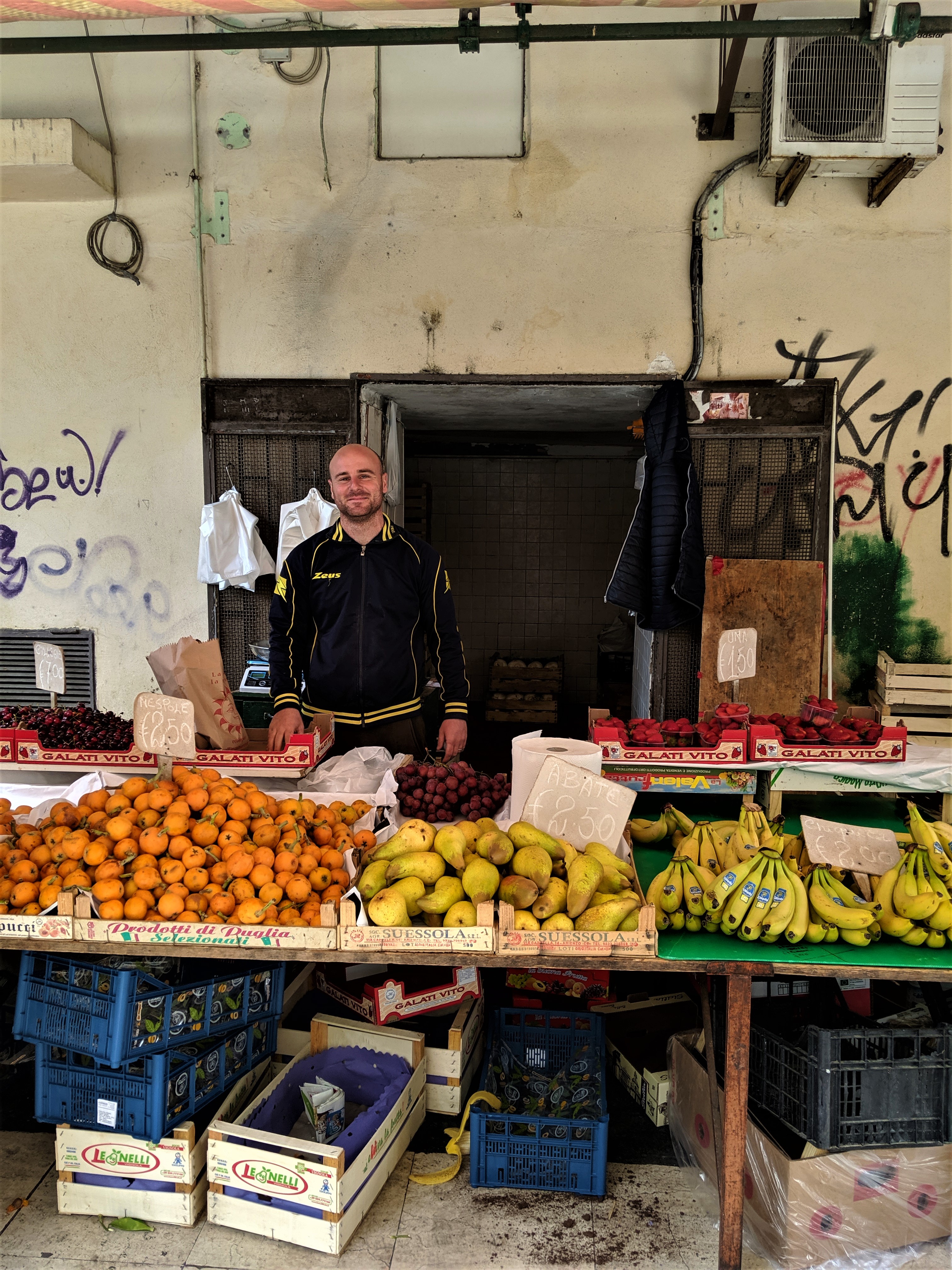
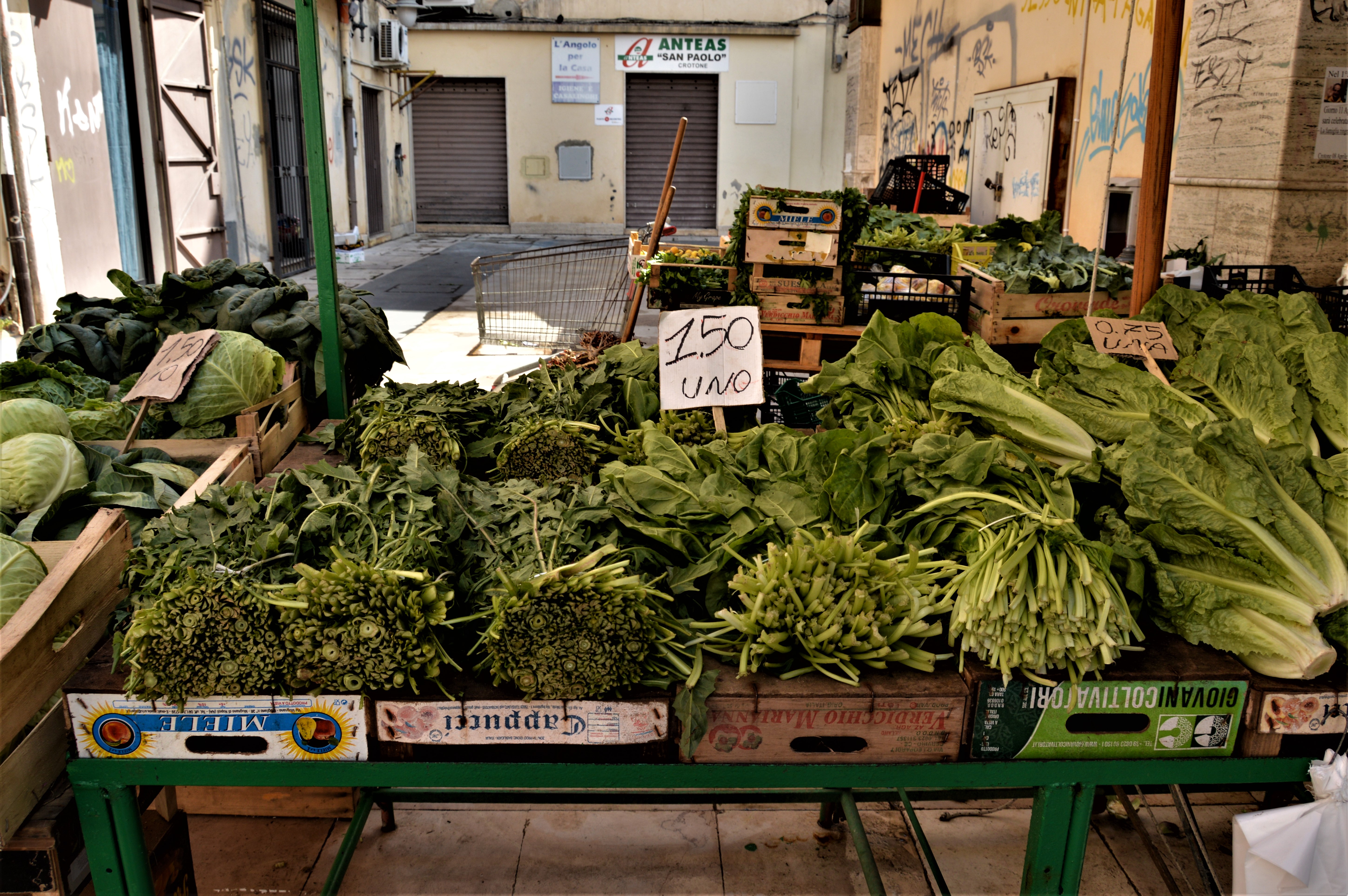
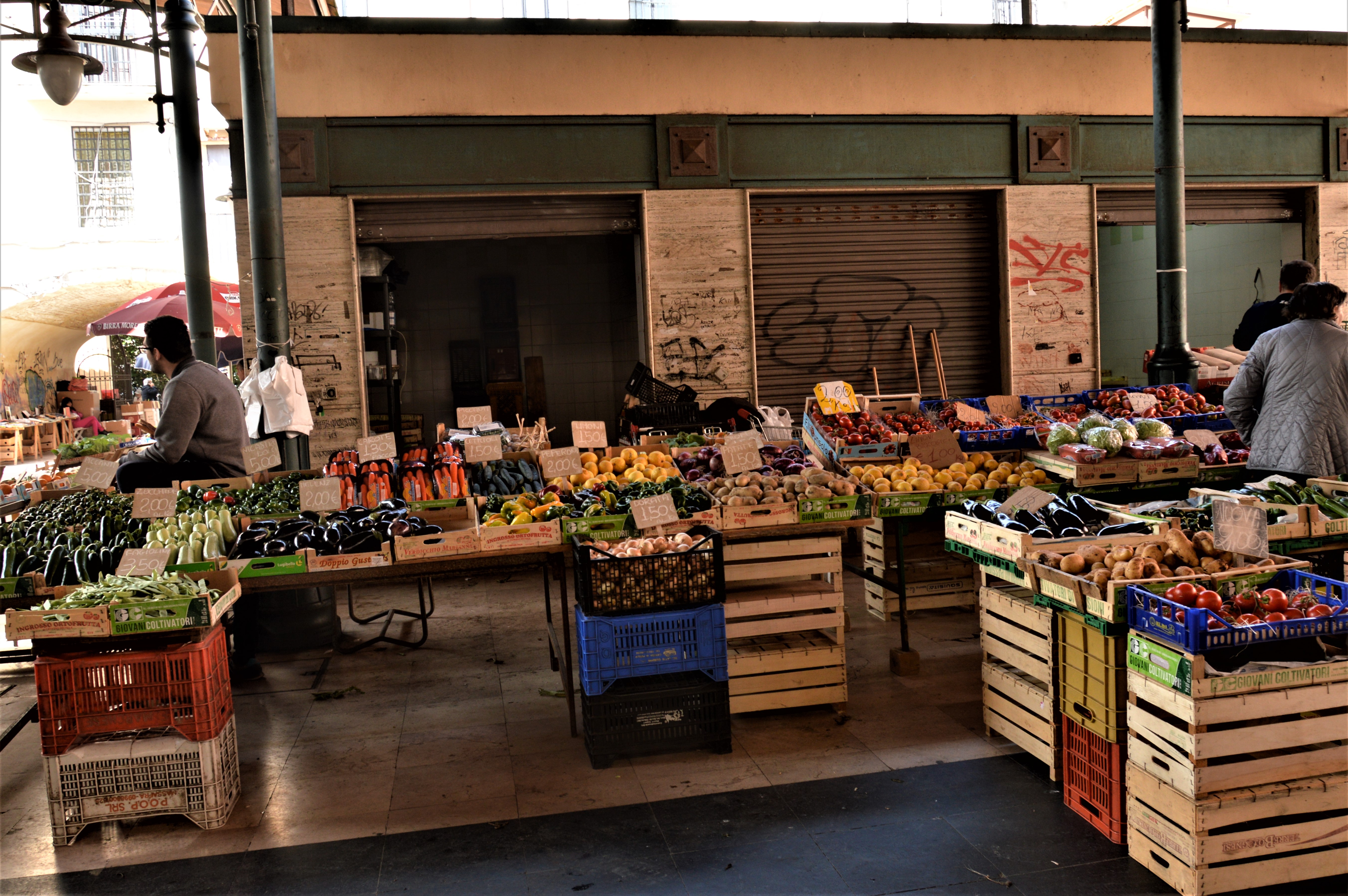
rather than large herds. A wide variety of produce that is bountiful and
beautiful is grown here. They are so fresh I could smell the aromatic
finocchio, or the sweetness of the fragola, or the greenness of the cicoria as
I walked through the farmers market.
Calabria honors its ancient roots but also lives in
the modern world. Wind turbines stand in lines across the hills. The use of
solar panels is also increasing, but I was saddened to see rigs used for
fracking for natural gas in the Ionian Sea.
Crotone was my home base while I explored the
villages of Crucoli and Casabona, the birthplaces of my grandparents. The pace
of life in Crotone is laid back and easy. The people seem to be aware and with
the times, and yet hold to old traditions, especially in family life.
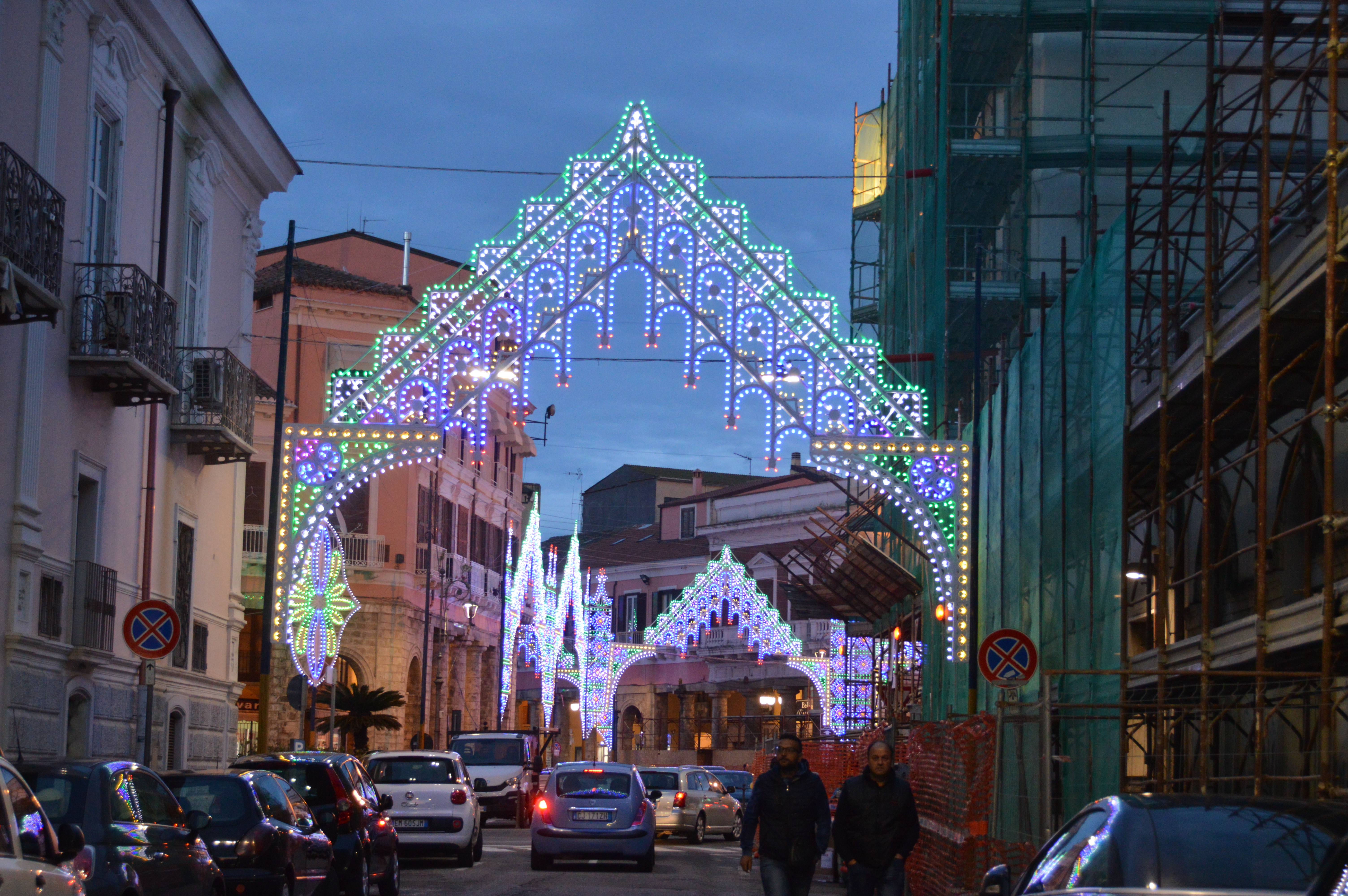
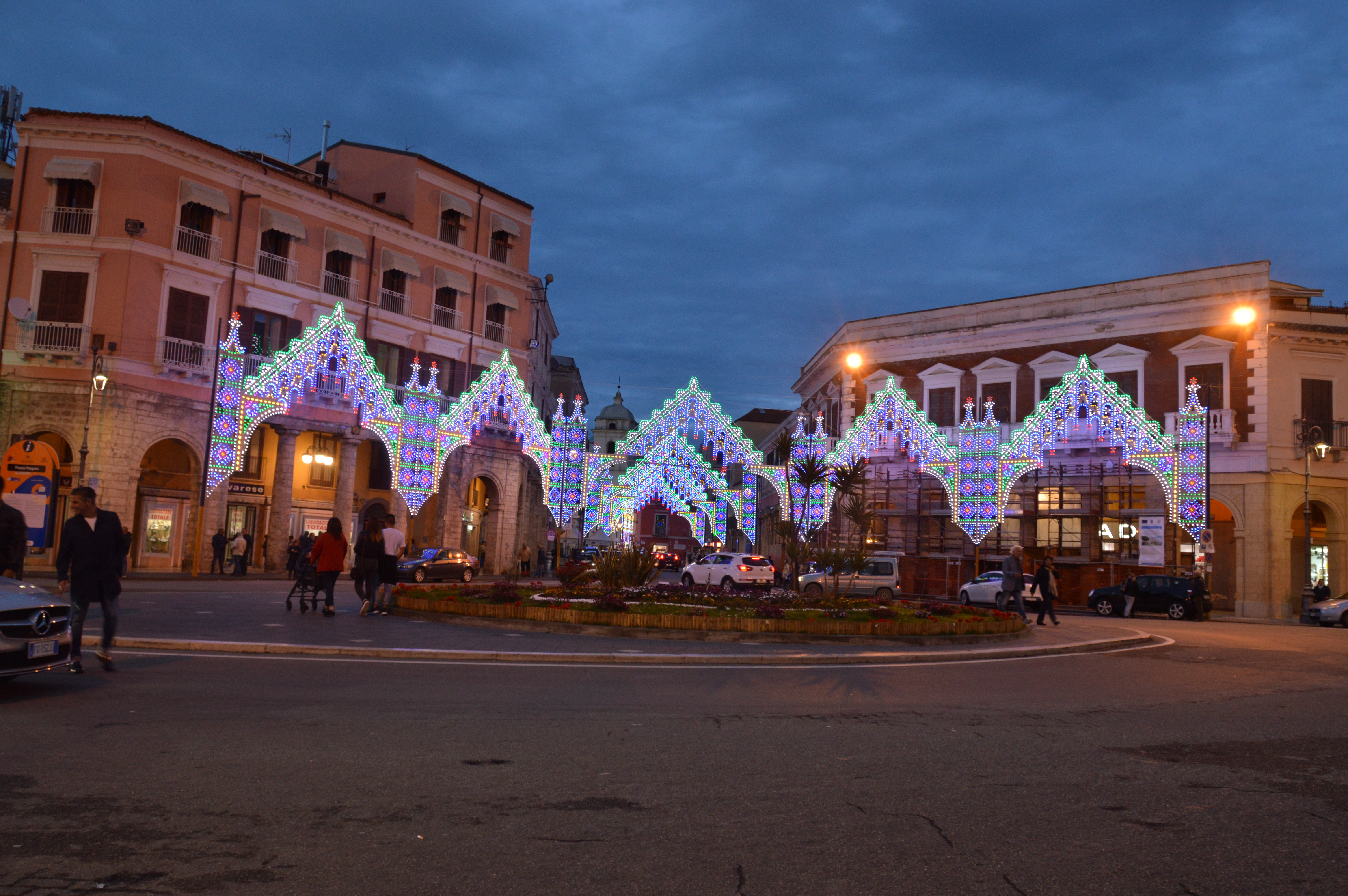
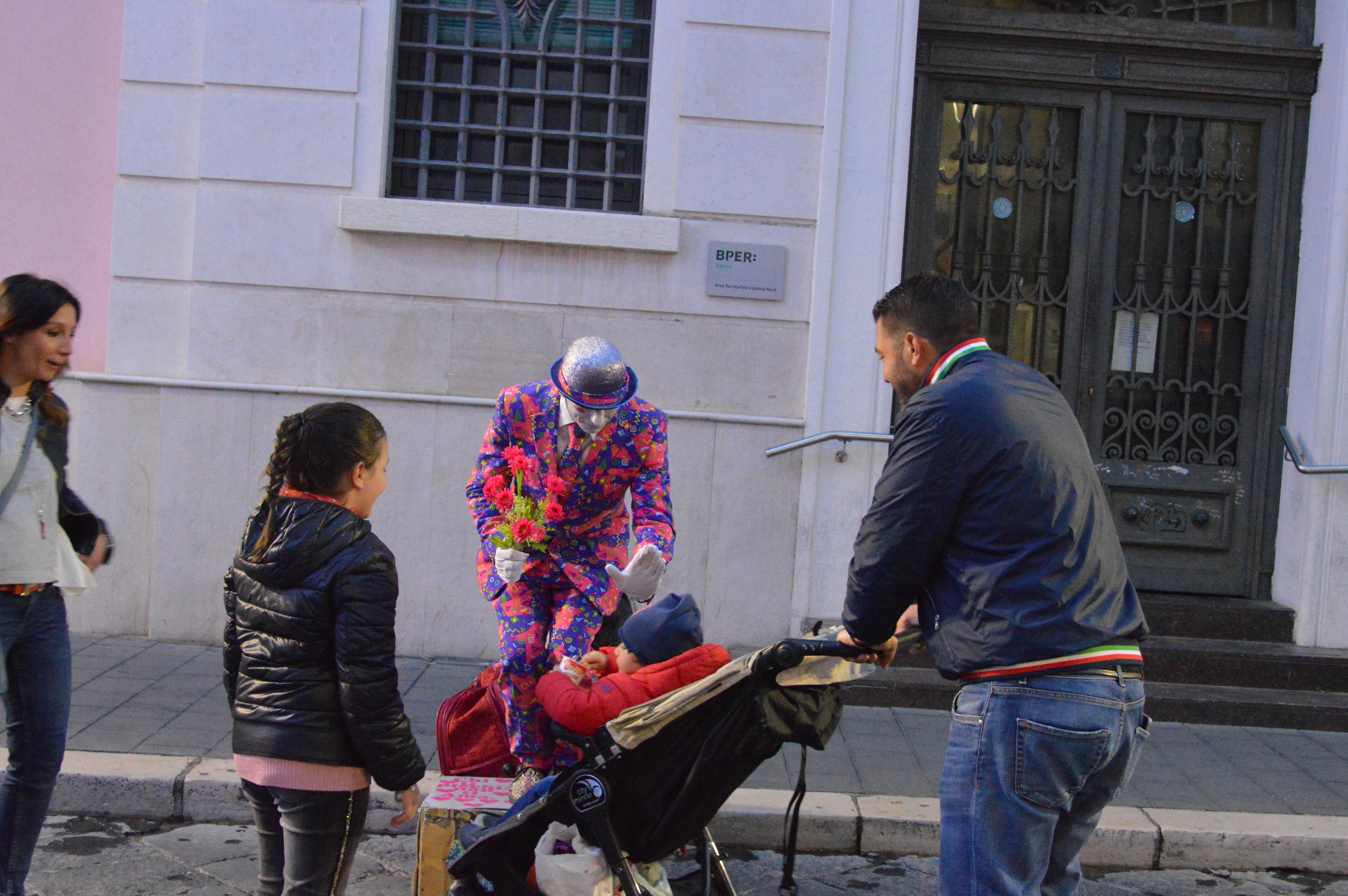
Businesses shut down between 14:00 and 17:00 and everyone rests. In the
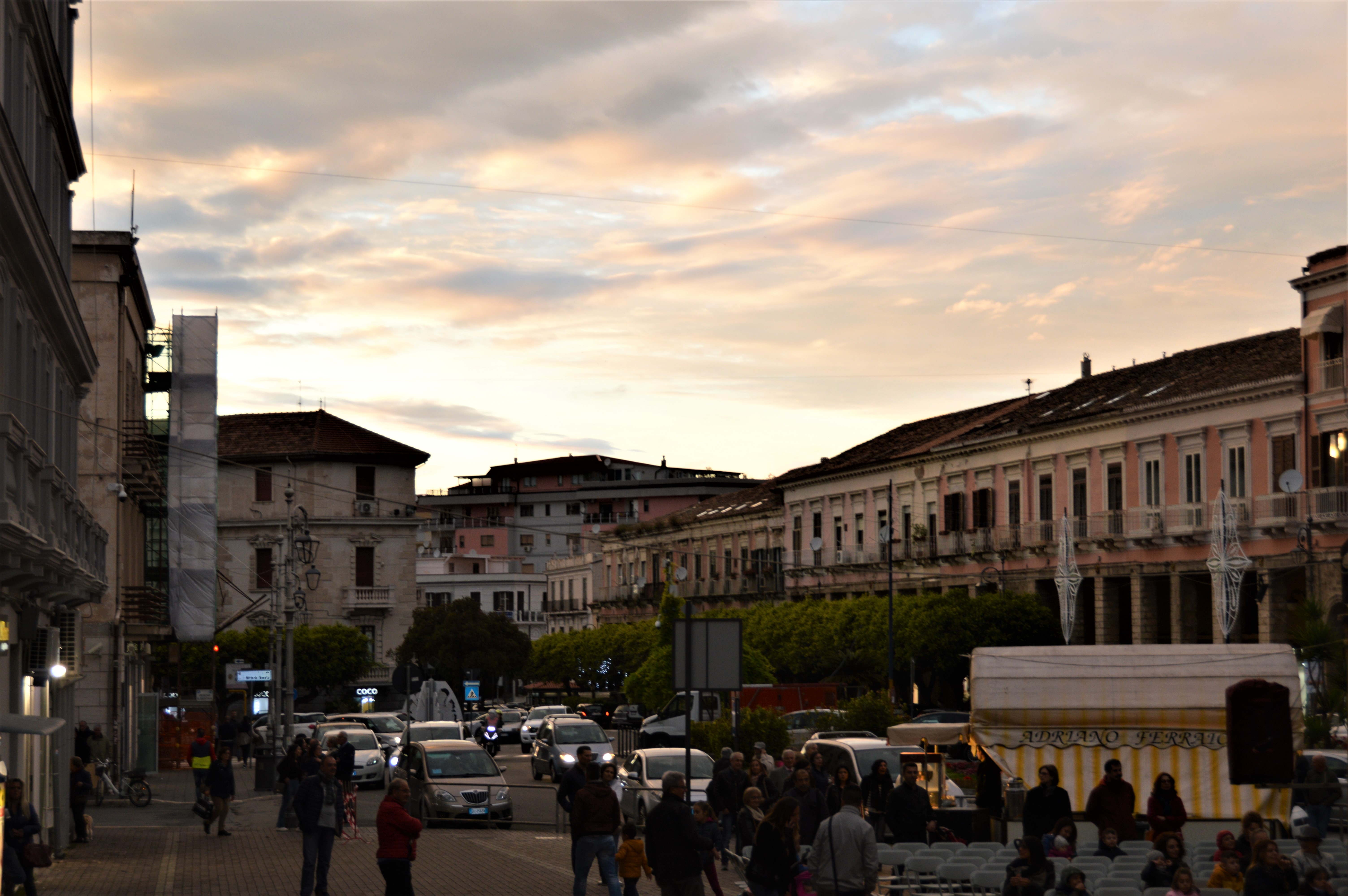
evenings they fare una passaggiata (take a walk). One of the main streets is
closed to vehicular traffic and families from noni to bambini stroll, chat, and
take the evening air. In the Piazza Pitagoro there is an old fashioned puppet show.
Dinner is late here. The first night I went to a
pizza restaurant recommended by Daniele Tricoli, my host at La Corte del Geco
B&B. It was 20:30 and Conca d’Oro was empty. I was greeted warmly by the
owner and seated at a table. Soon others came in, and before long the
restaurant was full. It seemed everyone there knew each other. As people passed
my table they acknowledged me with a smile and a nod, or said “Buona sera.” The
service was attentive, but not hovering, and the pizza was delicious.
I had two other memorable meals in Crotone, the
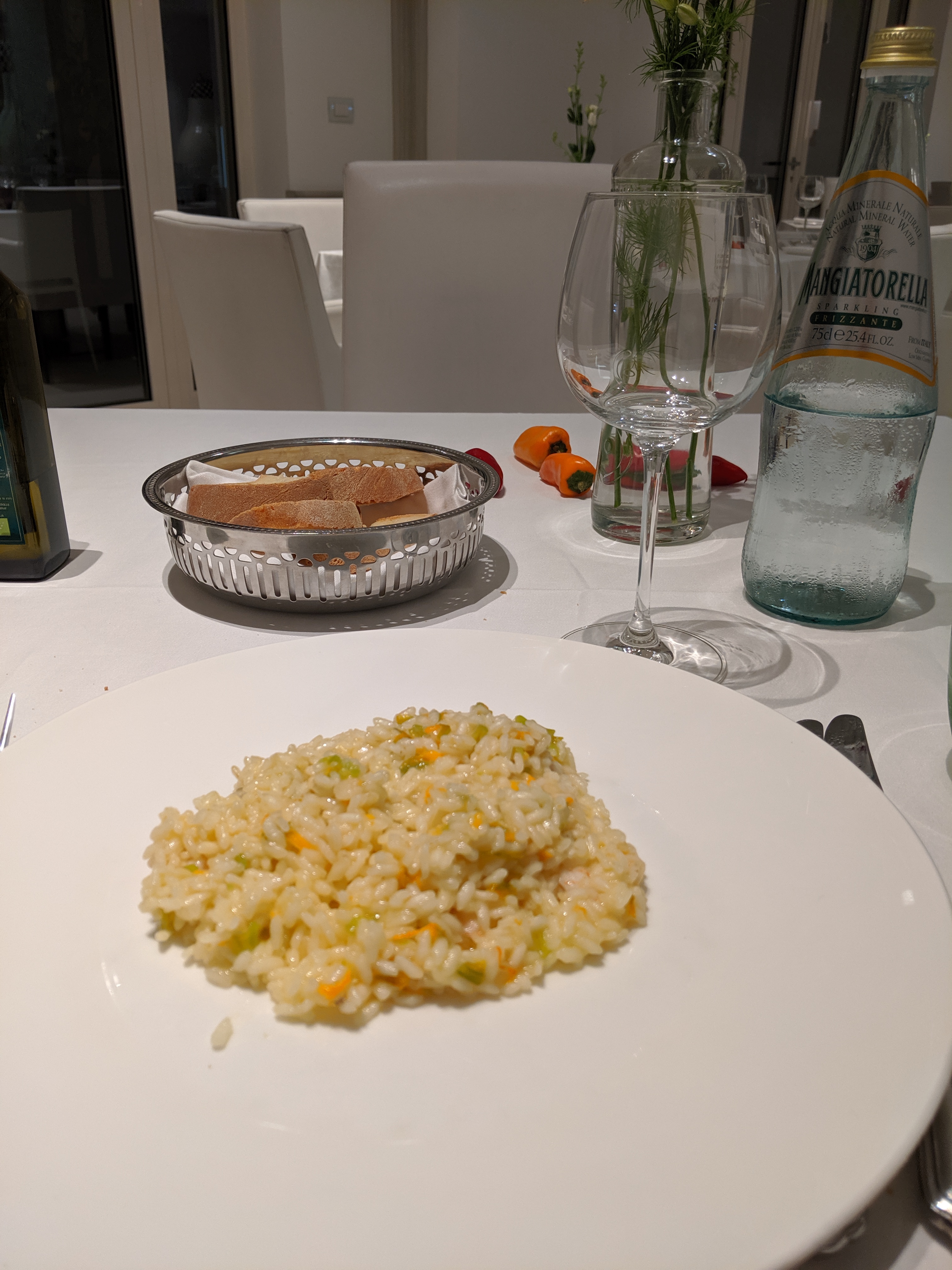
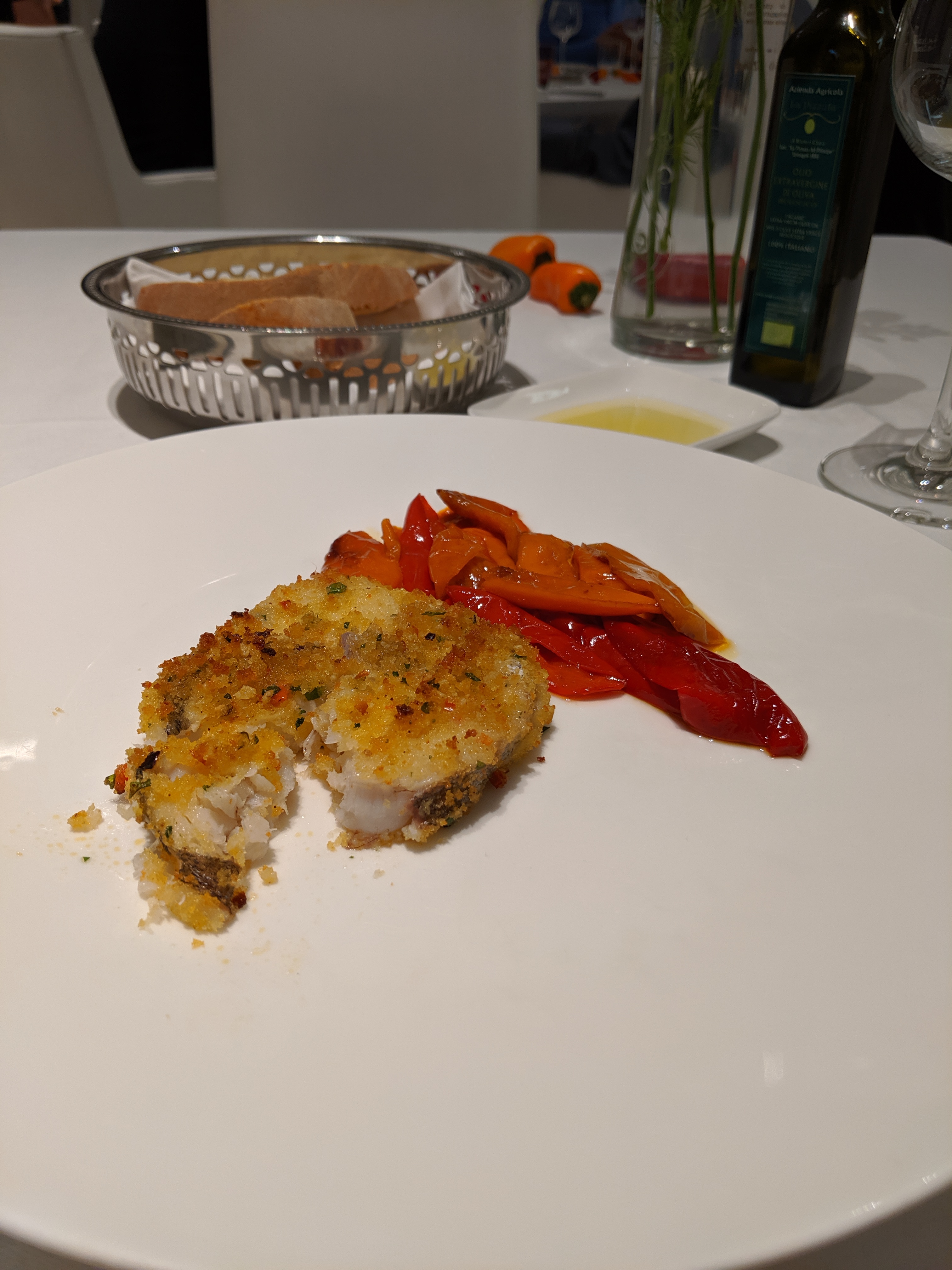
first at La Figlia di Annible. Everything was fresh and flavorful. The polenta
was creamy, the risotto al dente, the fish delicate, and all of the flavors
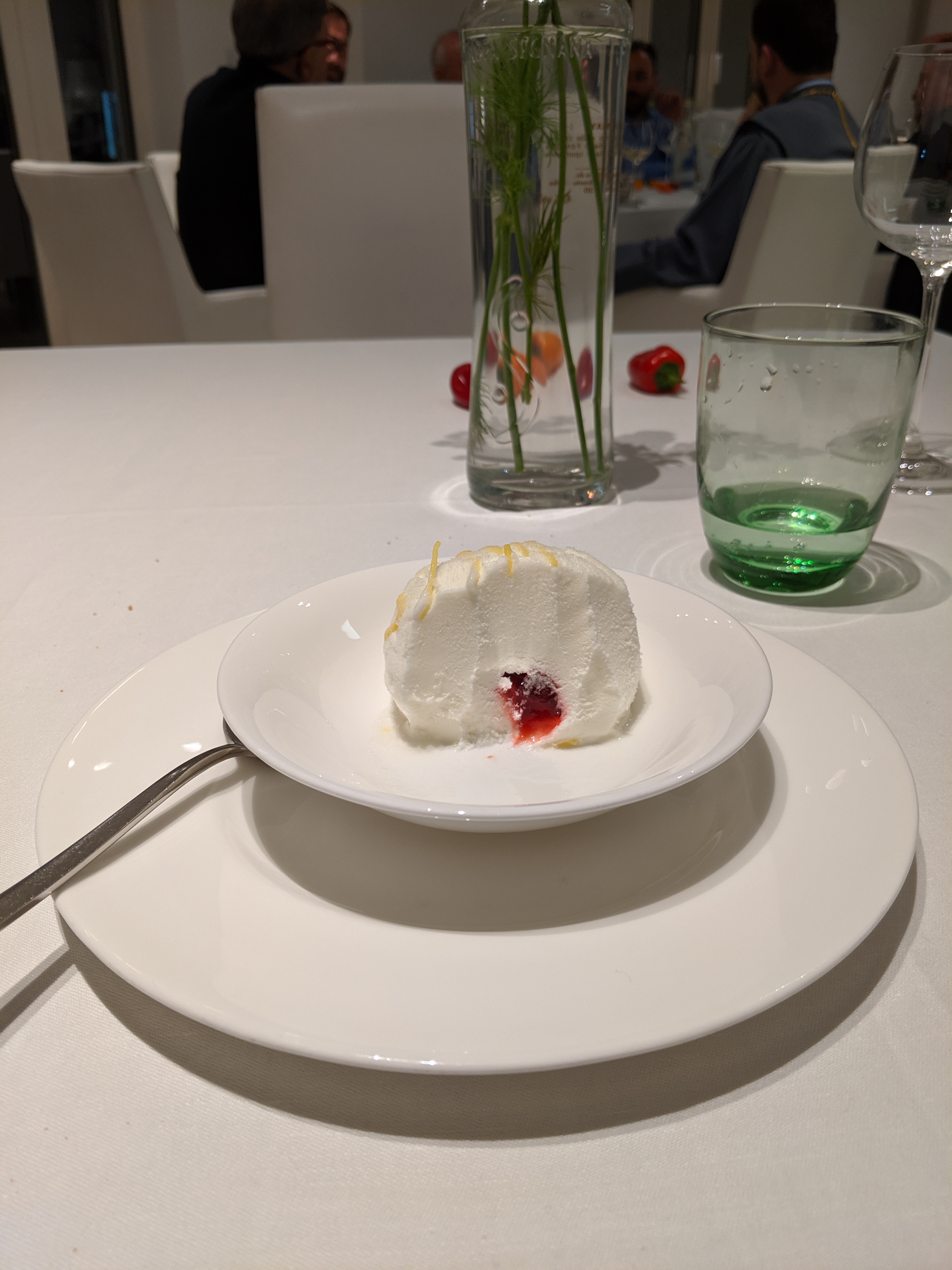
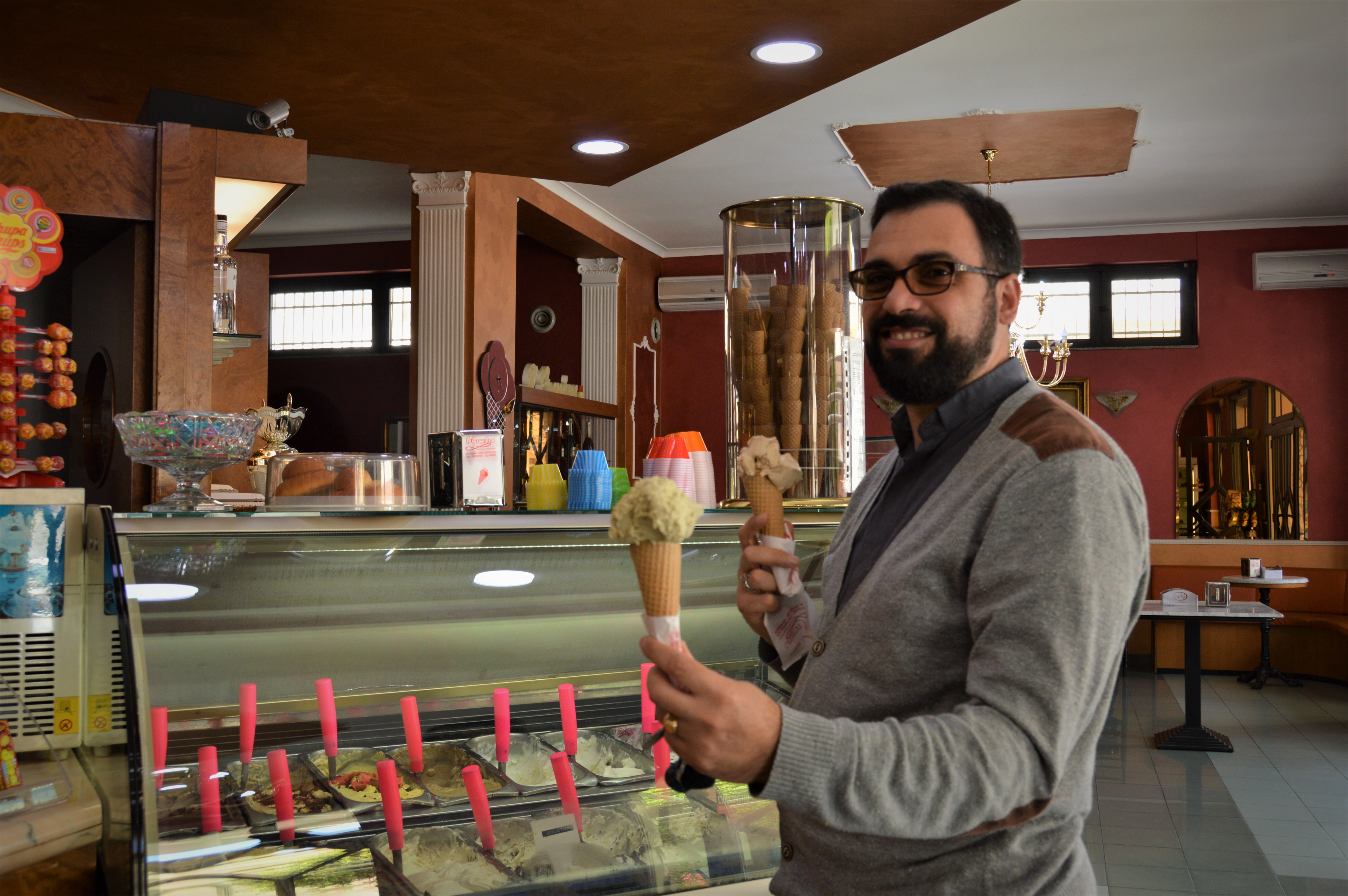
danced in my mouth. I had bergamot ice with amarena cherry surprise that was
the most delicious dessert I’ve ever had, and a perfect way to end a perfect
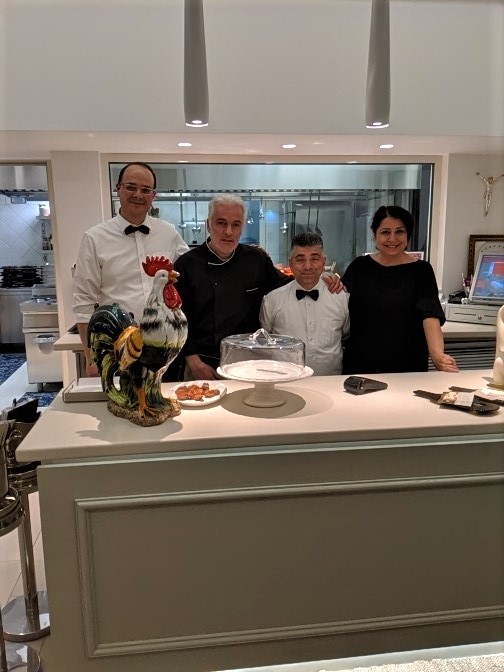
meal. The staff was friendly and attentive, and the owner/chef, Sondra is lovely.
When I asked her if it was safe for me to walk home in the dark, she assured me
it was, but gave me a ride back to the B&B to make sure I felt comfortable.
My last evening in Crotone I ate at Com na Vota. A
sign outside the restaurant states “food cooked the old way.” The restaurant
was full when I got there, but the owner set a table in the corner for me with
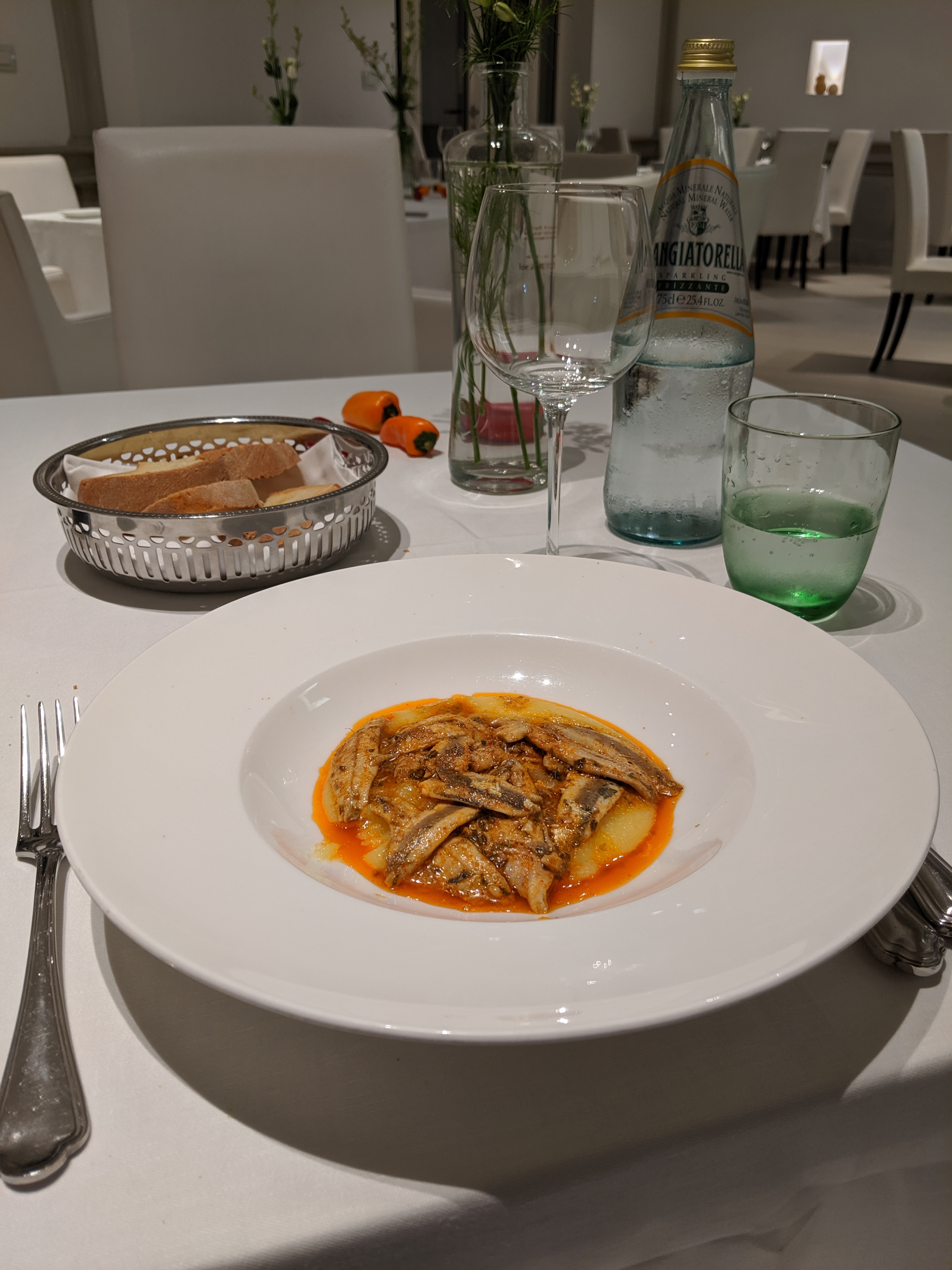
a basket of focaccia and a dish of red paste that he called Calabrian caviar.
It is sardella, made with young sardines preserved with salt and hot pepper. My
first bite was tentative, but it was delicious and not as hot as I’d
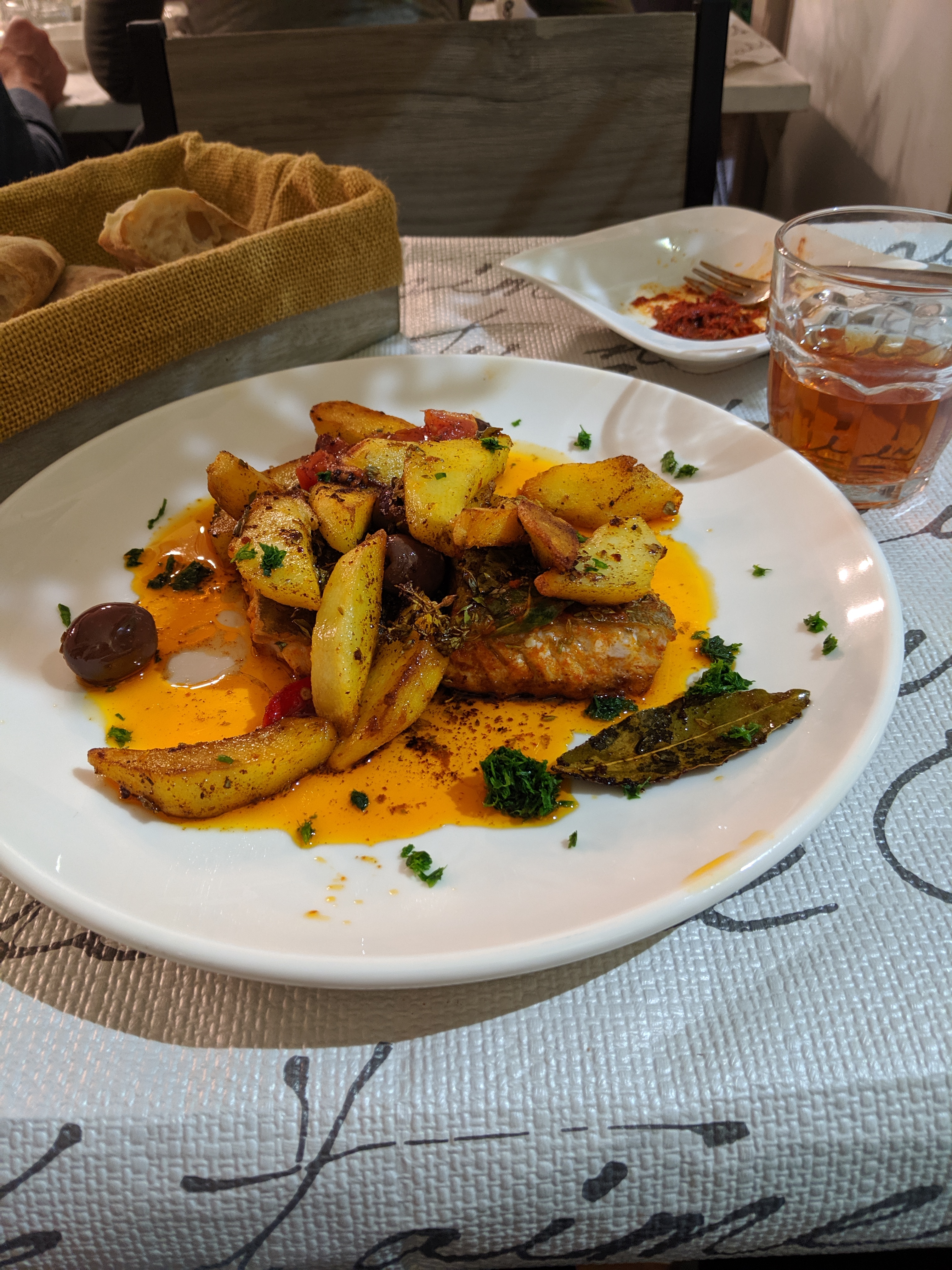
anticipated. It’s a delicacy my father loved. For dinner I ordered baccala
which is reconstituted salted cod, baked with potatoes, tomatoes, and olives,
the way my mother made it. Memories of my parents made me feel as if I was
having a family dinner. While I waited for my check I was served two little
plates, one with peanuts, and the other with lupini, a tasty bean. A basket was
placed on the table with bottles of homemade digestives. I sipped both the amaro
and anisette
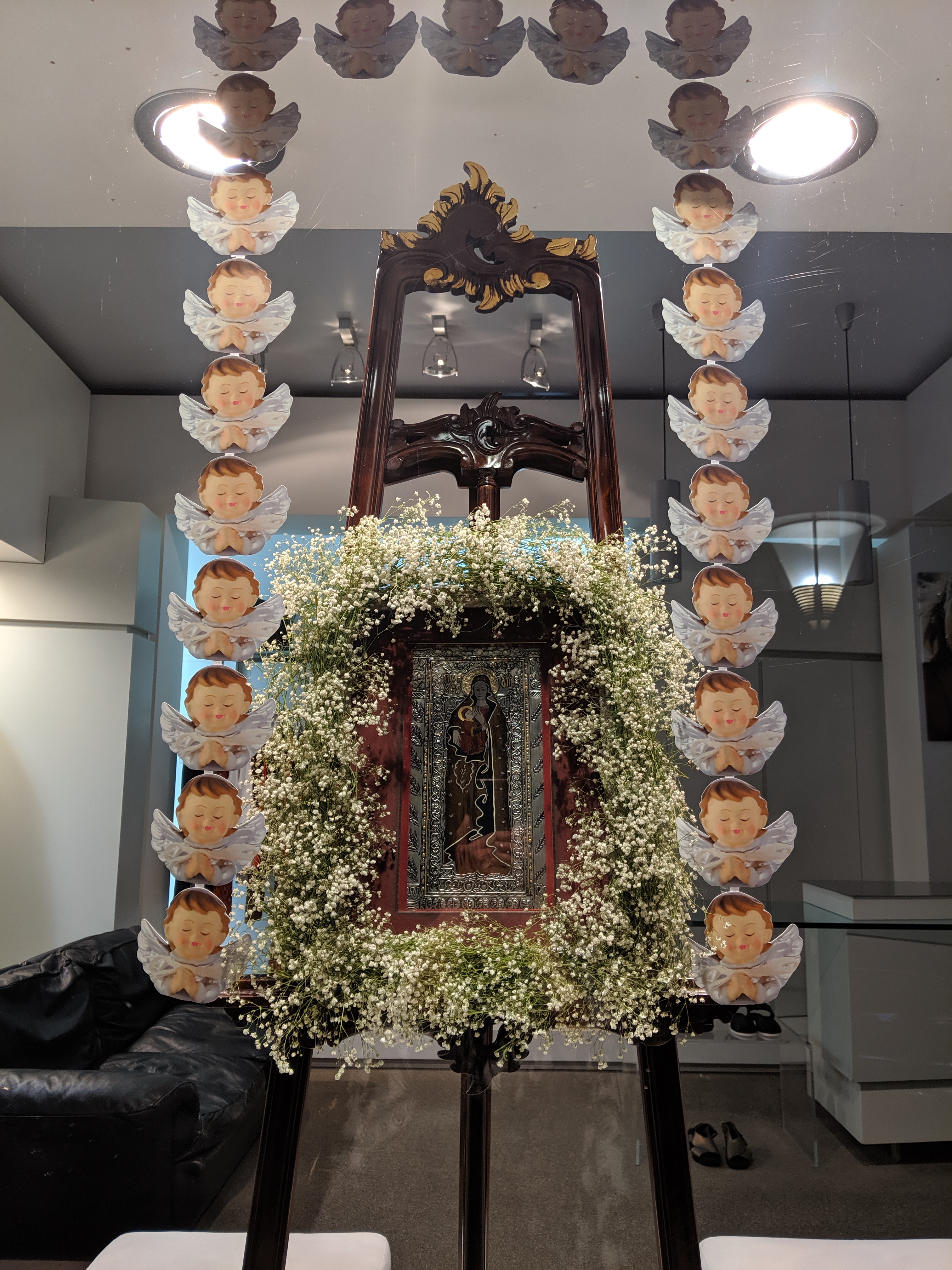
Calabria is still devoutly Catholic and May is the month of Mary. In Crotone they celebrate La Feria di Madonna da Colonna. I left on the last day of the celebration and missed the night time procession through the city when the icon of the Blessed Mother is paraded through the streets. Daniele said that at midnight he would make a pilgrimage to the cathedral at Capo Colonna with his family and many others from the church. It is a twelve kilometer walk and he prays the entire six hours, “Not just for me and my family, but for the whole world.”
One thing about Crotone that stood out to me is how
happy and well behaved the children are. Whether on the evening walk, or in a
restaurant, I didn’t see one pout or temper tantrum.
When I finished a tour of the archeological museum,
it was pouring rain. I waited in the lobby for the rain to subside when a class
of eleven or twelve year old children entered two by two. There was no jostling
or loud talking. In an orderly manner they hung their coats in the closet and put
their umbrellas aside. They didn’t complain because they’d walked there in the rain.
I sensed their respect for the space they’d entered and for the shared history
they would now see.
I was just beginning to find my way around Crotone
when it was time to leave. Four days weren’t enough to explore and see
everything I’d hoped to see, but every day was filled with interesting sights
and people, delicious food, and learning about Calabria.
My visit was made even more special and enjoyable by
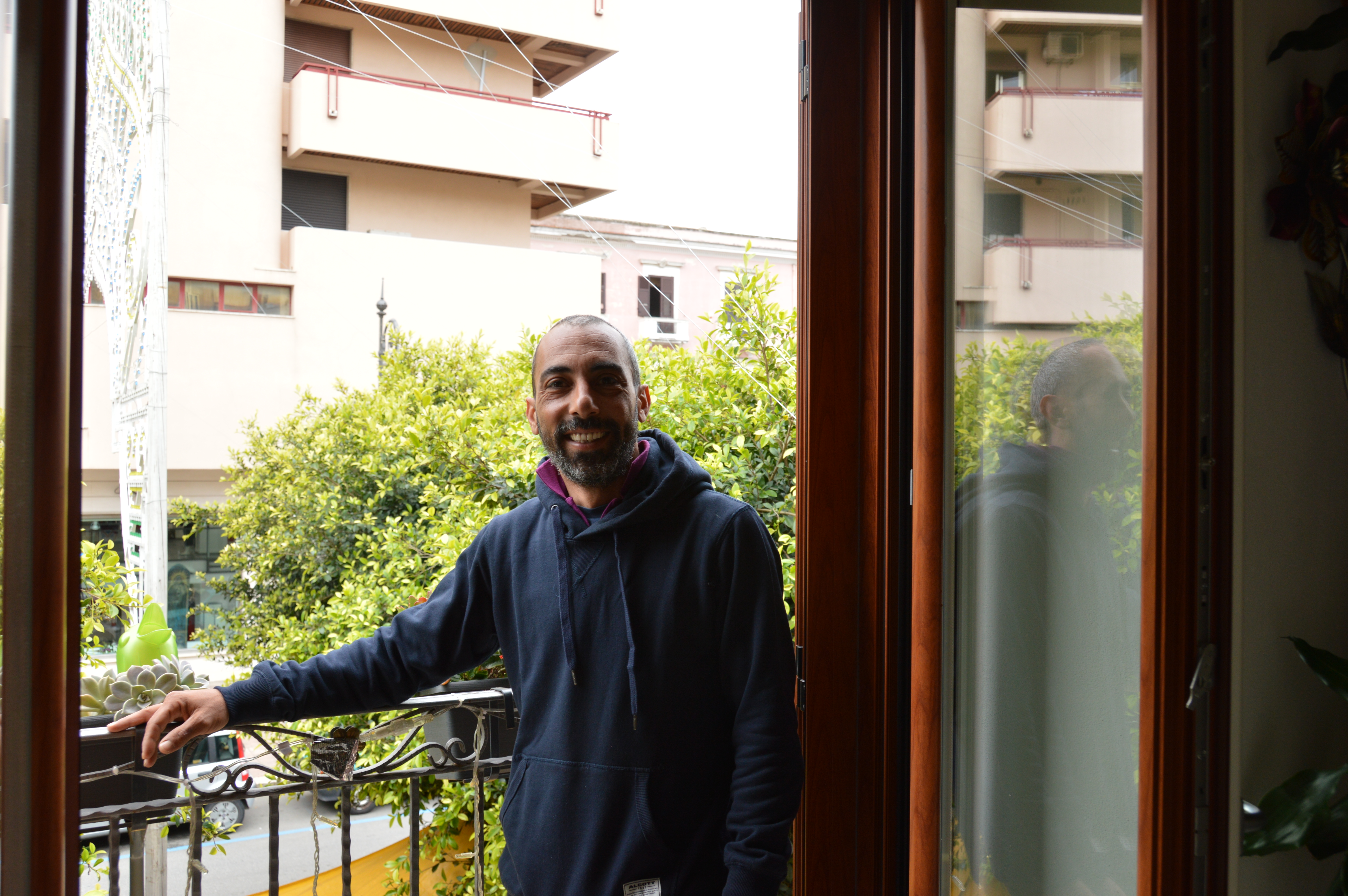
Daniele Tricoli, the owner of La Corte del Geco B&B where I stayed. He served
a delicious breakfast every morning, and the accommodations are immaculate and comfortable.
Daniele and I had interesting conversations,
and if he represents the soul of Crotone, it is one shining with light.
Daniele made
arrangements so that I could visit the birthplaces of my grandparents. Padre
Salvatore Corrado, an Anglican priest, was my driver and translator. During our
drives to Crucoli and Casabona we had long talks about religion and life in
general. He also has a good sense of humor.
This visit exceeded my expectations, but there is still
more that I’d like to see in this area of Calabria. I guess I’ll just have to
come back again.
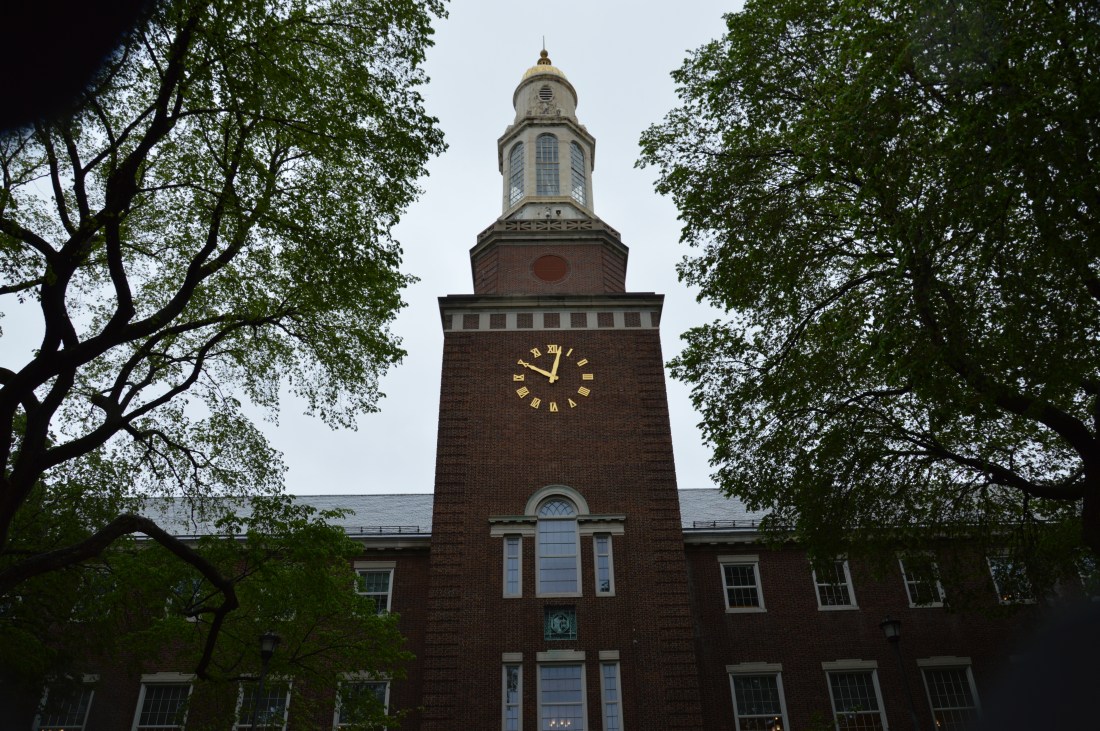
There was a cold drizzle as I walked on to the campus of Brooklyn College, more than half a century since those paths were part of my daily routine. The sturdy Georgian style brick buildings of the central quadrangle looked the same, only the cupola of the bell tower showed the passing of years. It saddened me to see the paint faded and chipped. Once the outer perimeters of the campus were open green parks. Now newer, plain, structures for the performing arts and other curricula made the campus feel closed in.
The campus is bordered by a bustling business area of Flatbush. Many of the places I’d go with friends for lunch or to have philosophical discussions over a shared sliced of Nesselrode pie are gone, replaced by McDonald’s and Burger King.
My time at Brooklyn College was a period of tremendous growth for me. There were new people, new ideas, and the yearning of a young girl to find herself and her place in the world. There were dances, house parties, and evenings at Jazz clubs. My heart was broken for the first time, and I was awakened politically.
I was fortunate to have some wonderful professors. There were two women professors whose names I can’t remember, but their love of the subjects they taught made a lasting impression. One, a history teacher, seemed transported to the era as she spoke of the political jealousies and vanities behind the Hundred Years War. The other taught calculus. She wore glasses with thick lenses and stood very close to the chalk board to write. It seemed as if she worshipped the numbers as she worked out the equations and explained them to us. I never understood a word she said, perhaps because I was so fascinated with her love of math.
Dr. Anna Babey-Brooke taught literature. The first day of class she walked into the room dressed in a full length mink coat that she shrugged from her shoulders and draped over her chair. She unfurled a silk scarf from around her neck and dropped it on the desk. From her purse she pulled out a lengthy cigarette holder, inserted a cigarette, and lit it. After a long drag and exhalation she said, “Good afternoon class. This is Modern Literature, welcome.”
Dr. Babey-Brooke was a plain woman. She wore no makeup except for bright red lipstick, but her eyes were bright and her presence filled the room. During her lectures she spoke of smoking marijuana and taking LSD in Mexico City, and about life and death. One of the books we read was Sons and Lovers by D.H. Lawrence. After a discussion of the significant deaths in the book she said, “When someone in our lives dies, is it for them we cry, or for ourselves in our loss?” The bell that marked the end of class rang; she picked up her full length mink coat, and walked out of the room. I have never forgotten that moment or her words.
Dr. Morey Appel was my early childhood Education teacher. He was the only one I could talk to about deeply personal matters. I was going to college to become a teacher because my father thought it was the most appropriate career for a good Italian Catholic girl, but I had different yearnings. And there was the question of love. Dr. Appel listened and gave me The Art of Loving by Erich Fromm, and a reading list on Humanistic Psychology by Carl Rogers and Abraham Maslow to help me understand those things.
Dr. Appel and I corresponded for years after I left college. He was always supportive and insightful, and helped me navigate the turbulent waters of young adulthood. His letters are tied with a blue ribbon in my keepsake box.
The visit to Brooklyn College was brief because I had to go to JFK for my flight to Italy, but in those moments I felt a deep gratitude for the years I spent there, for the people I knew and loved, classmates as well as professors, and for all I learned. I may not have gotten a degree, but I got an education.
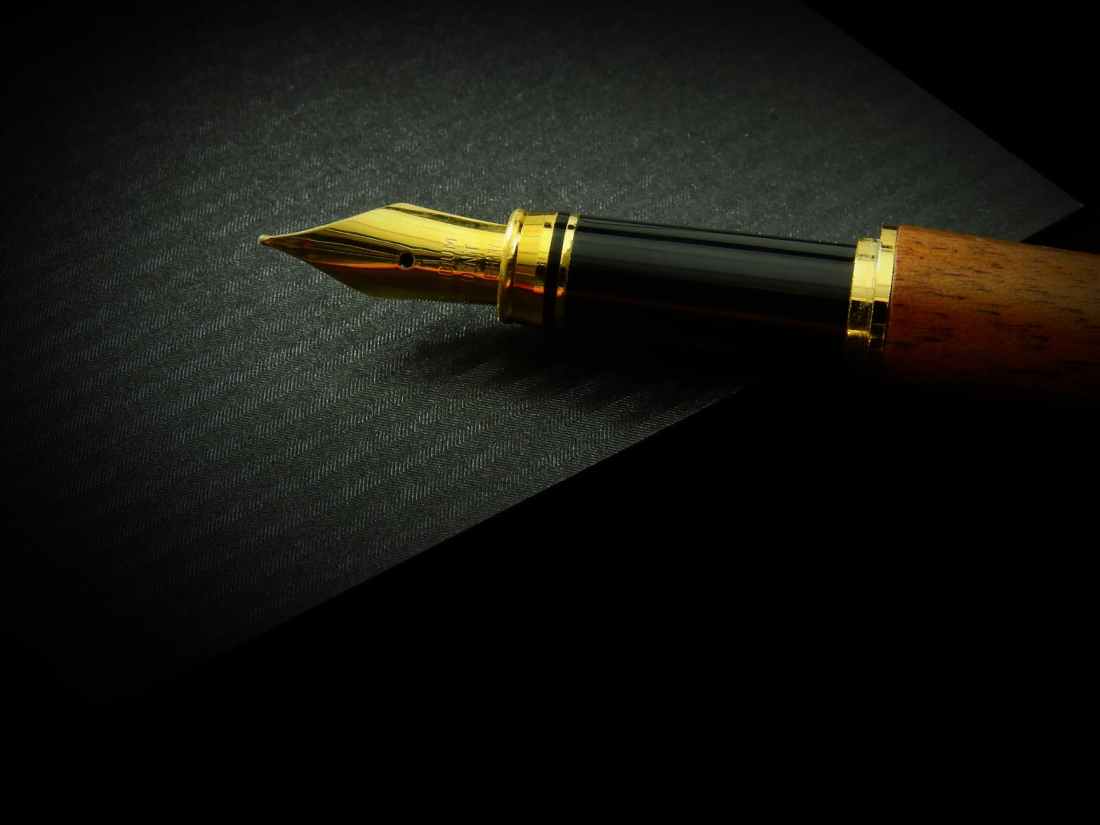
I am a writer. I composed my first story when I was four years old. Able to read better than I could print, I cut words from my mother’s magazines and pasted them to red construction paper with mucilage that oozed from a brown bottle with a rubber tip.
As I grew up I wrote stories, and forlorn poems of adolescent heartbreak. Over the years I’ve kept journals, written epistles, poems, stories, and last year completed a novel I’d worked on for twenty-two years. To me writing is more than a creative outlet, it is an art form, and just as an artist’s pictures should be seen, a musician’s voice heard, and a dancer’s movement witnessed, a writer’s words should be read.
Facebook posts have been a way for me to share my writing, and this blog is the next step to express the creative aspect of my life. It is my honor to share with you my thoughts and perspective on life, culture, travel, and other fancies that emanate from my pen.
Tomorrow I leave on a journey to Calabria, Italy, to fulfill a longtime yearning to visit the birthplaces of my grandparents. There is much cultural and historic splendor to explore in the foot of Italy’s boot. I invite you to share this journey with me.


 The Write Mind of a Lefthander