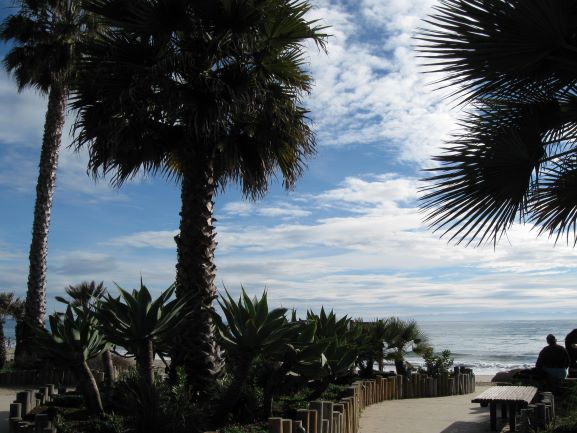
“Oooh baby do you know what it’s worth? oooh, Heaven is a place on earth…” Belinda Carlisle
Driving south on HWY 101 I pass the junction with HWY 154. It is here that the terrain changes from the vast, farmed Santa Maria valley bordered with rolling foothills into the Santa Ynez Mountains. A gentle grade leads to the Gaviota tunnel, and I remember the first time I drove through it.
“It furthers one to have someplace to go,” the I Ching had advised me. I couldn’t imagine any place better than Marin County and San Francisco. Then, at an Astrologers’ conference in San Diego, everyone I met talked about Santa Barbara. How spiritual it was. How beautiful.
Not long after that, I made my way down Hwy 101 in my Volkswagen van with my four year old son, Luke, filled with the anticipation that comes with not knowing what to expect.
Through the short afternoon, the sun hung low in the sky, casting long shadows across the freeway; a fleeting twilight gave way to evening. It’s dark as the van crawls up a grade. When we emerge from the Gaviota tunnel, I feel something is different here, and roll down the window. The air is alive with the smell of the ocean, hints of citrus, sage, eucalyptus, and the oil that is being pumped from the ocean floor.
I find a place to stay and carry my sleeping son to bed.
In the morning, the sky is brilliant, blue; palm trees rustle and sway in ocean breezes. We walk down State Street and through El Paseo. Long legged poinsettias with startling red blooms cling to white stucco walls. I fall in love with this beautiful city and stay. Of all the places I’ve lived, Santa Barbara feels most like home to me.
I remember walking on the beach, cold, wet sand squishing between my toes; hiking in the foothills, and then running down the trails full speed, laughing with joy, my senses alive with the colors of sea, sky, and earth, and all of their scents. I can still smell the night air after spring rain, aromatic with pittosporum and damp earth, and then the hillsides green and blooming with wildflowers and California poppies. When the fog rolled in for the June gloom, the jacaranda bloom, their violet flowers electric in the grey mist. I think of neighborhoods painted with purple morning glories draped over fences or clinging to walls, trumpet vines with hot orange blossoms, hibiscus trees filled with delicate white flowers, and silk trees with pink, furry blooms. In the fall, the golden hillsides made the magenta and orange bougainvillea growing along Foothill Road appear even more vivid. The wind carried scents of sage, grasses, and eucalyptus, and always, always, the ocean with its salty, organic smell, and a tinge of petroleum. Each fragrance could be discerned separately, but they combine into a perfume uniquely Santa Barbara’s.
That was the 70s, when it was easy to get by on a waitress’s income. Rent was the largest expense, but utilities were low because heat was rarely needed, and ocean breezes provided air conditioning. There were avocados, oranges, and lemons from friends’ or neighbors’ trees and, occasionally, jars of honey. It was the land of plenty, or, as a KTYD disc jockey called it, “Paradise with an ocean view.” Yes, it was idyllic; and like everything in life, it has changed.
At that time, Santa Barbara’s motto was “Small is Beautiful.” There was a struggle to find a balance between the need for housing and keeping this little piece of heaven from growing too large. When Reagan was president and vacationed at his home in the Santa Ynez mountains, the press corps invaded Santa Barbara and did their broadcasts on the beach with the mountains as a backdrop. The graceful curves and slopes of the mountains, with rolling foothills facing the Channel Islands, and sandy beaches with undulating waves that surfers love, were televised nightly. Soon this fair city became sought after by the wealthy, causing the cost of housing to soar.
In 1986 I moved to the Ellwood area of Goleta, the outermost developed part of Santa Barbara. I was a single mother again, and this was the perfect place to raise my youngest son, Paul. A few blocks away was a sandlot baseball field, and behind us open space that led to Ellwood Beach. The mesa was a rich ecosystem of vernal pools and wildlife, and was bordered by a eucalyptus grove that was the overwintering home for monarch butterflies. It wasn’t long before developers set their sights on all this open land.
I became a founding member of Save Ellwood Shores (SES) to protect this unique bubble of life. County meetings were attended, neighbors were informed of planned changes, petitions were circulated and signed, and studies were done to show the impact development would have on the fragile habitat of the Ellwood area.
In 1996 there was another major change in my life, and I left Santa Barbara. My friends in SES kept me informed. A few years later an agreement was reached, protecting Ellwood Mesa, with concessions to the developers. I returned in 2002 for a year and a half, and was disheartened by what I saw.
A shopping center that included a Costco, Home Depot, and a cinema, had been constructed next to the once sandlot Little League fields that were now groomed athletic fields for soccer as well as baseball. Development had begun, with large swathes of land set aside for future construction. Yes, Ellwood Mesa had been “preserved,” but was heavily used. Cars lined the street and field where I once lived.
Santa Barbara became a leader in environmental causes when an oil well blew out in the channel in January, 1969, causing the largest oil spill in the United States by that time, with devastating effect to Santa Barbara’s beaches, and marine life. Local organizations formed to protest the oil companies and their activities, and to do something about the problems they caused. On the first anniversary of that event, Rod Nash, a professor at UCSB, created the Environmental Bill of Rights. The first Earth Day followed a few months later in April, 1970 to increase awareness around the world of the care that needs to be taken of the Earth. But even with all the good legislation that came from this activism—clean air and water acts, the endangered species act, and more—it was not enough to change the growing climate crisis we are now experiencing, and Santa Barbara has felt the impact with severe fires caused by the intensifying drought. Since 2006 there have been thirteen major fires in Santa Barbara County; the most devastating was the Thomas fire in December, 2017. The embers of that fire were barely cooled when a torrential rainstorm caused mud, rocks and debris from the scorched mountains to flood residential areas below.
All these years later, memories fill me as I drive through the Gaviota Tunnel, and I’m eager to see the landscape I missed. Along the coast the peaceful ocean rolls to shore, bathers and surfers playing in it. It is hot and dry, the hillsides already brown. I can smell the ocean, but not the perfume of citrus orchards.
By instinct, I know where to get off for Ellwood, the last place I lived, but it is no longer called the Winchester Canyon exit; it’s Cathedral Oaks-Foothill-Hollister. When I get to the top of the ramp, I’m shocked. The Sandpiper Golf Club, once hidden behind a grove of eucalyptus is now open and exposed to view. The left side of the road has been developed with rows and rows of townhouses.
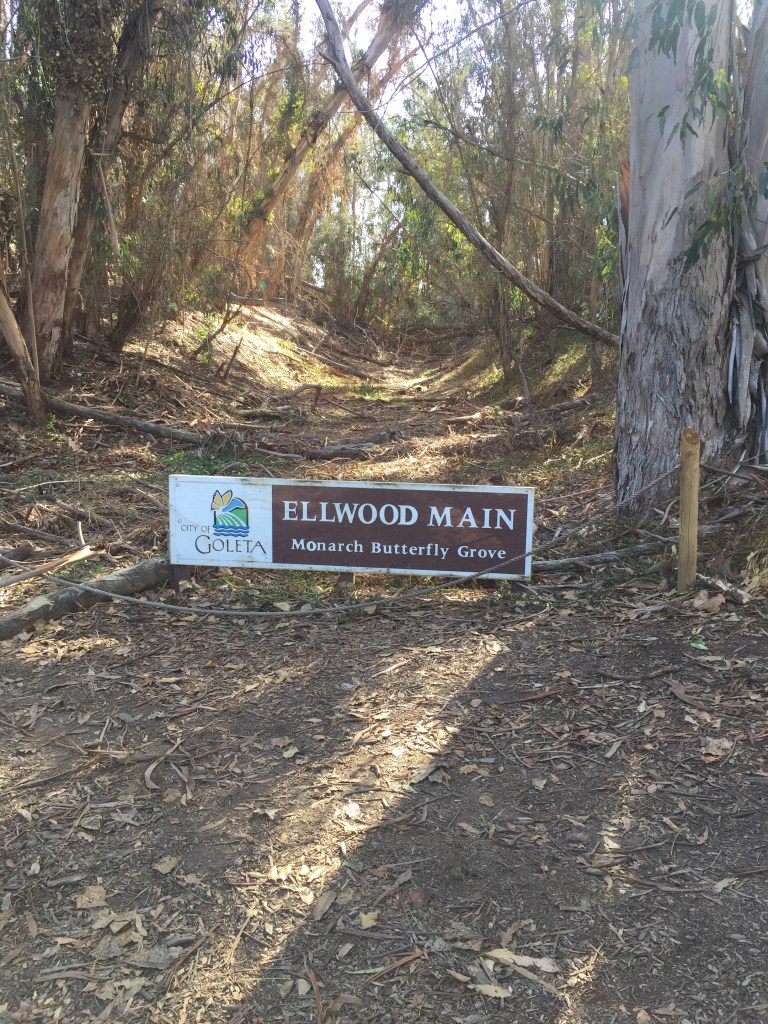
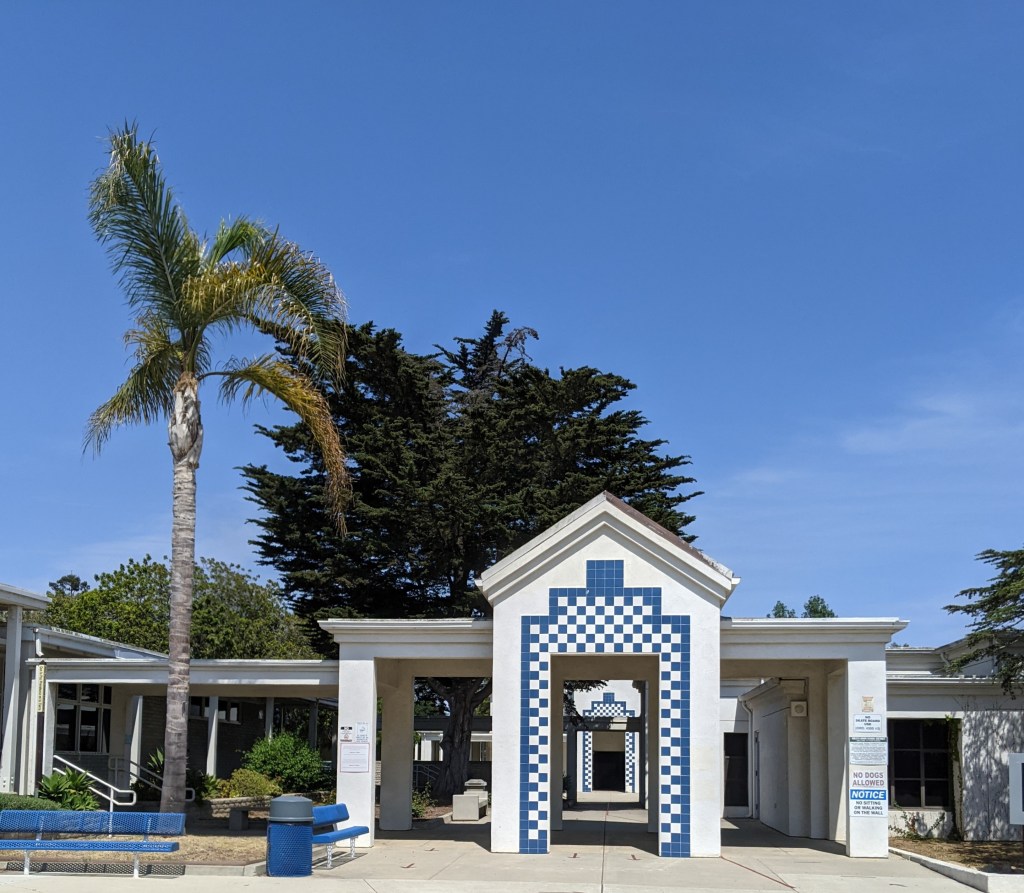
I stop at the school Paul attended from kindergarten to sixth grade. Aside from the addition of a traffic light to facilitate the flow of cars through the parking lot, it looked the same with its blue and white tile entry. It comforted me to see something that hadn’t changed. I drove by the condo where we lived, no longer tan to blend in with the environment, but now painted a shocking white. The field behind the condos is developed. The monarch groves and trails through Ellwood Mesa are closed indefinitely due to the drought.
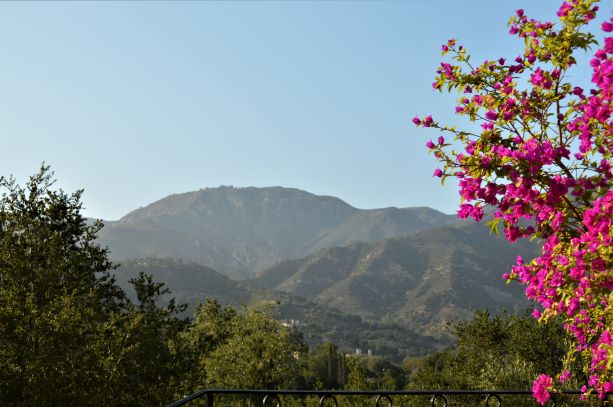
The streets feel narrower as I continue on and witness all the changes. I’m relieved that the avocado orchard is still on the other side of the Glen Annie overpass. Along Cathedral Oaks Road I drive through familiar residential areas and remember fields where Paul played soccer, and houses where friends lived. I cross the terminus of HWY 154 where Cathedral Oaks becomes Foothill Road. Along the stretch between Morada and Ontare Roads, I look for the magnificent magenta and orange bougainvillea I loved, but see only a few draped along a fence and wonder if the rest had been lost in one of the fires that scorched Santa Barbara. I am torn between the changes in the landscape and my memories. I drive through Mission Canyon until I reach my destination.
ARMONIA
I’m greeted with hugs and kisses from my friends, Dennis and Suzanne. It’s been five years since we’ve seen each other, but time and distance haven’t affected the bonds of friendship. We sip wine and talk. Much has happened in our lives and the world, and our conversation flows late into the evening.
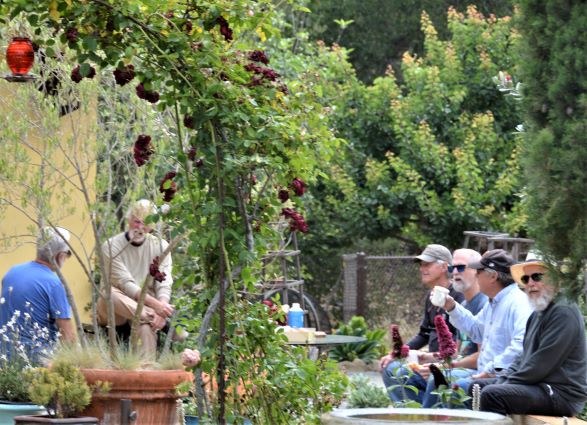
Dennis and Suzanne host a potluck dinner, a tradition of our gatherings over the years. It’s a feast of flavors from friends who are all great cooks, and best of all are the hugs from Gary, Jeff, Tina, Rob, and Jon, people I love and have missed. We have a long history together, having shared the joys and sorrows life has doled out along the way. Tonight, we are happy to be together, and make plans to see each other over the next few days. From the front patio we watch the sunset. The sky deepens to twilight blue, and lovely Venus emerges in her brilliant beauty.
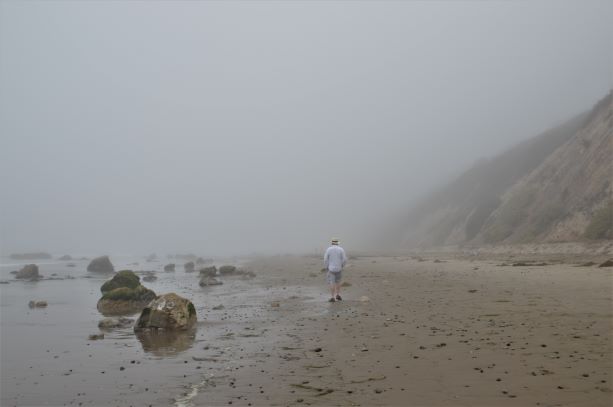
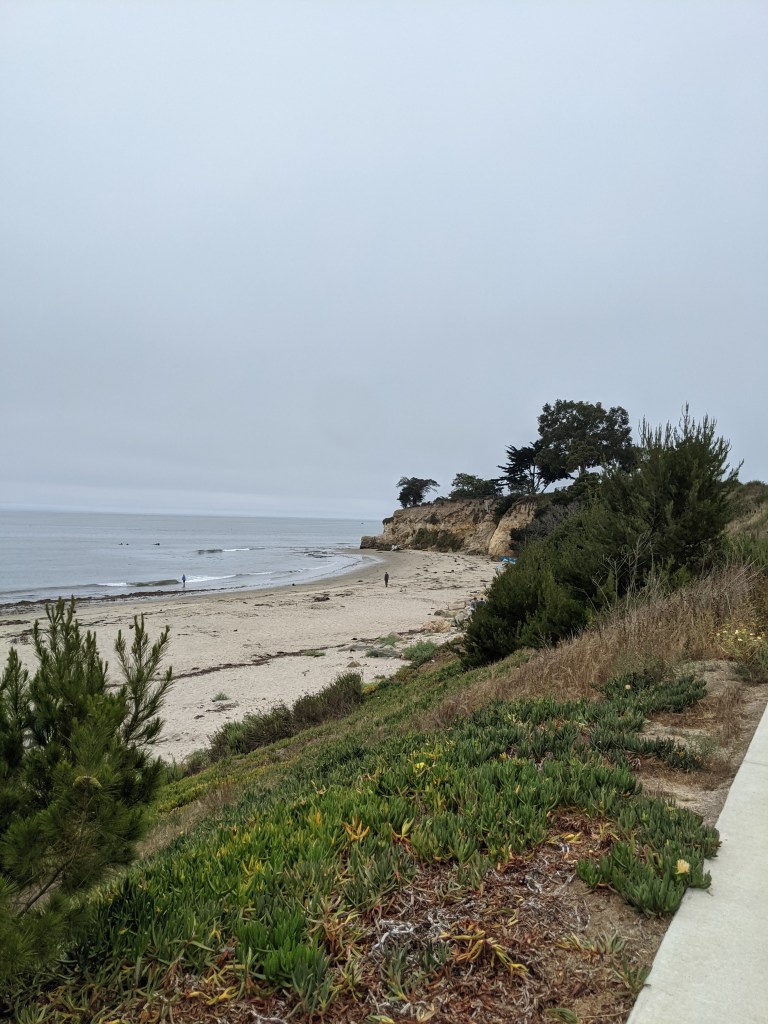
The next morning, I meet Jeff for a walk at Hendry’s Beach (Arroyo Burro.) The fog is dense and our conversation is quiet as we enjoy the gentle sound of the ocean splashing on the shore. We talk a lot about his brother, Stephen, who passed away suddenly last fall. I met Stephen not long after I moved to Santa Barbara. We traveled together, backpacking, hiking in the mountains, and scuba diving. Though our paths took different directions, we remained lifelong friends. Jeff talks about how he dealt with his grief after loss; I remember Stephen’s presence in my life as a gift as I rebuilt my life after divorce. Jeff picks up a heart shaped rock and hands it to me. “Stephen is with us,” he says.
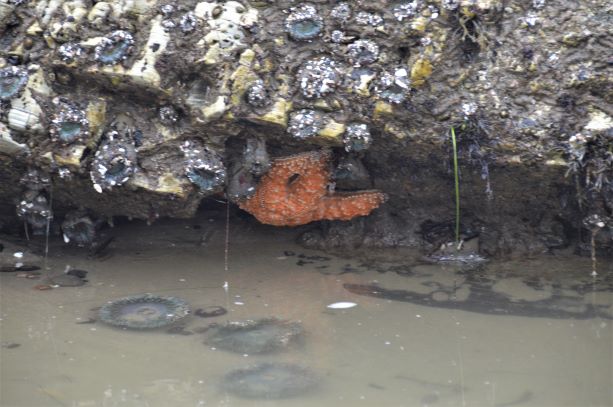

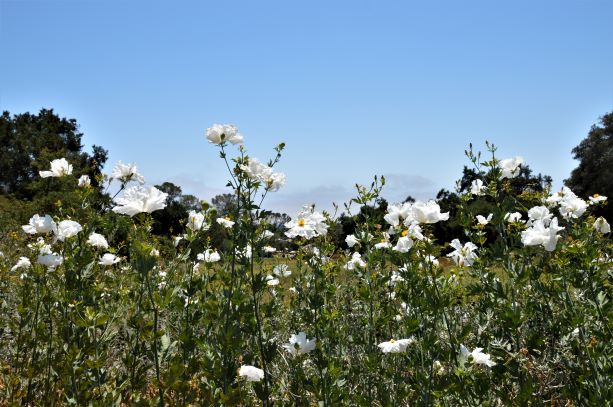
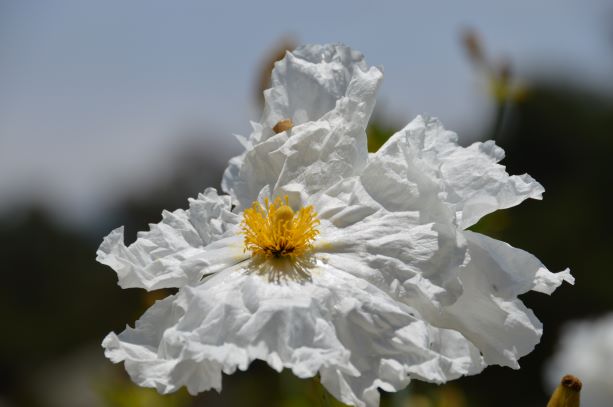
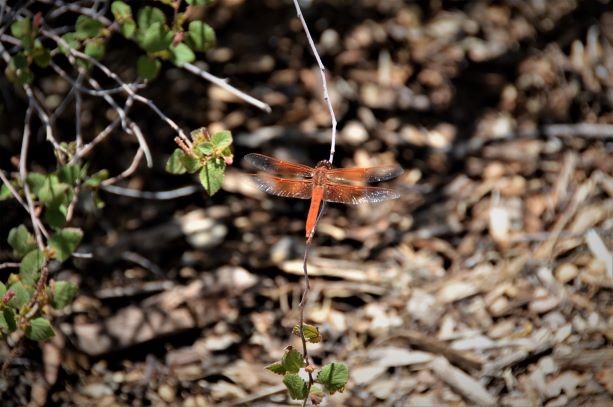
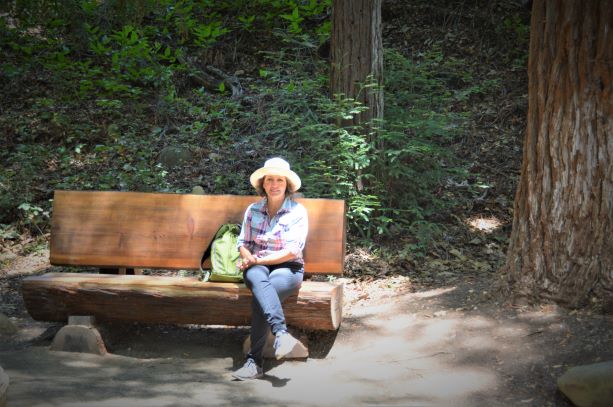
It’s a beautiful afternoon when Suzanne and I hike through the Santa Barbara Botanic Gardens. The Jesusita Fire in May, 2006 burned part of the gardens. Mother Nature has healed the scars, but the long term effects of drought are seen. It is June and the hillsides are already brown and dry, however, the gardens exemplify how to live in harmony with nature. There is beauty in all of the drought tolerant, native plants that sustain the ecosystem.

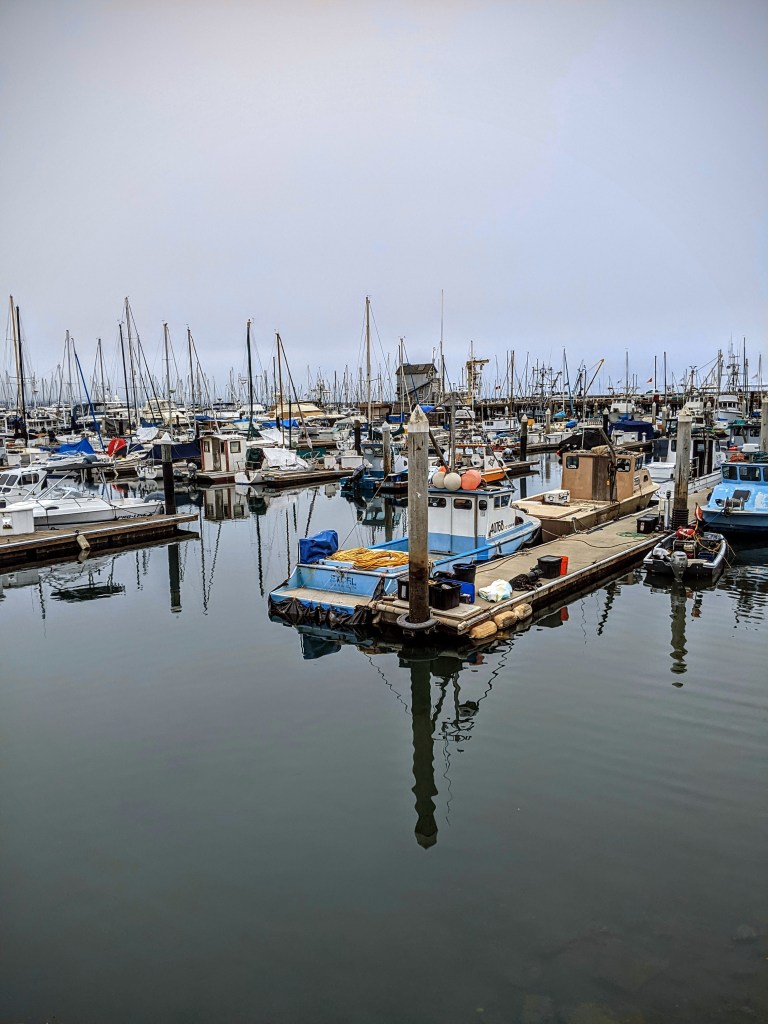
Another morning, Dennis, Suzanne and I walk from Shoreline Park down along the waterfront. It’s foggy, and I’m grateful for the June gloom that has cooled the days and shows off the jacaranda trees. There’s a yoga class in the park, and people are setting up a child’s birthday party near the playground. Boats rest in the harbor, their masts reflected in still water. This part of Santa Barbara was always busy, an attraction for tourists. It is even more crowded than I remember. Before HWY 101 became non-stop through Santa Barbara, there were stoplights to cross the highway, and one overpass on the way into town. The graffiti on that bridge and beach restroom walls was, “Welcome to Santa Barbara, now go home.”


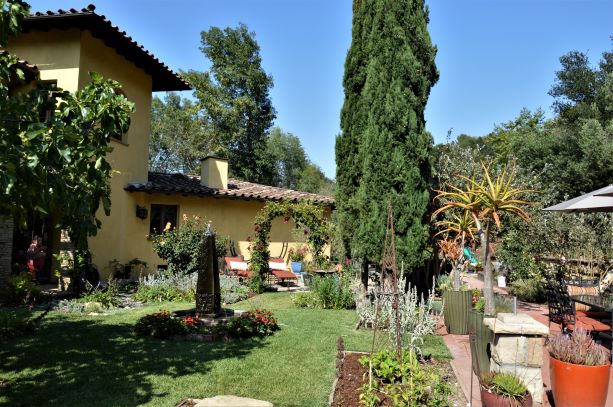
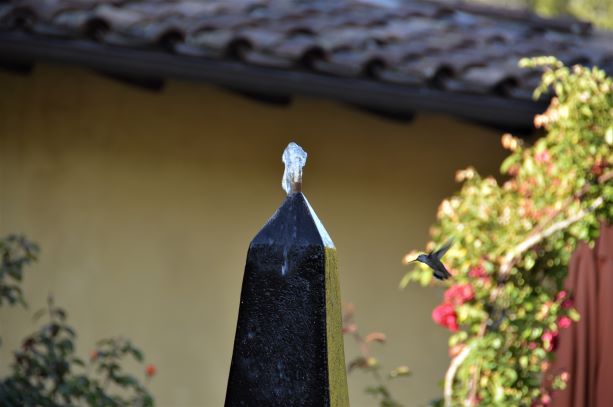
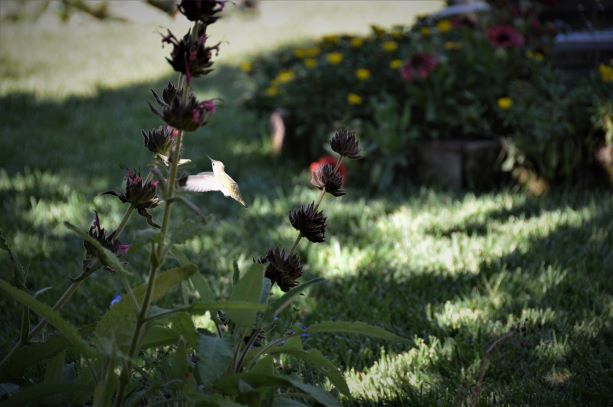
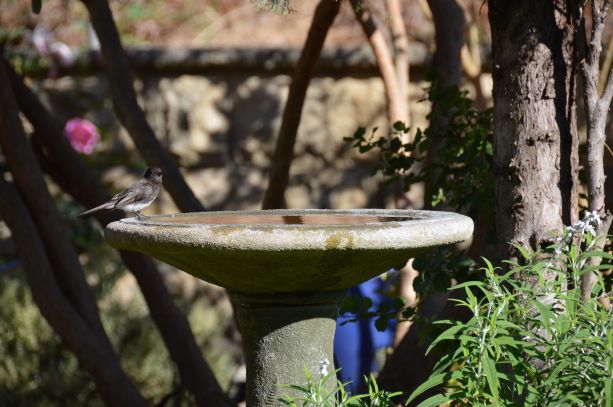
The days pass quickly. I see as many friends as I can, and visit the places I love about Santa Barbara. I rest and relax in the quiet of Dennis and Suzanne’s home, Armonia, so called for their desire to live in harmony with all living things. On a wooded lot, their home has been threatened by fires, but they work tirelessly to keep it free of underbrush. They have hens, compost, and an organic garden. It is a little oasis that attracts a wide variety of birds. Coyotes yip at night in the distance. They only thing not in harmony is the invasion of ground squirrels whose habitat was lost from the Thomas fire. With no natural predators in the area, and the abundance of food, they are thriving. They are cute, but are invasive pests. Dennis struggles with the most humane way to deal with them and bring the natural ecology of Armonia back into balance.
In the evenings, we look at a map of the United States, and Dennis and Suzanne suggest places to visit. Dennis is concerned about my safety traveling alone. He suggests that I buy a sleeping bag and a few other supplies in case I’m stranded and need to sleep in the car. I make reservations for my next stop. Refreshed from a week of loving friendship, delicious, healthy food, and with a full heart, I drive through downtown Santa Barbara on my way to my next destination

 The Write Mind of a Lefthander
Beautifully written my dear friend! It has made me homesick for the days gone by. We were so lucky to have known Santa Barbara fifty years ago. I am happy there are still beautiful places to be enjoyed. Safe travels with Love! Sandy
LikeLiked by 1 person
Thank you, Sandy. You are a large part of my happy memories during those special days.
LikeLike
did you really find a heart shaped rock? that is amazing.
LikeLiked by 1 person
Yes, Jeff really found a heart shaped rock. I still have it.
LikeLike
What a special visit we had with you Franny! You left our hearts full as well grateful to catch up with you and with many warm memories of times passed. Your journey is a joy to follow and I look forward to your next “installment”! Happy trails dear friend!
LikeLike